Brick Bond: A Practical Look at This Bold Y2K Display Font
In the world of design, typography is a powerful tool that shapes perception and directs attention. Choosing the right font can transform a project from mediocre to memorable. Among the many options available, Brick Bond presents a distinct character. It's a display typeface that draws inspiration from the Y2K era, blending nostalgic aesthetics with a clean, futuristic sensibility. This article provides a practical evaluation of Brick Bond, exploring its characteristics, strengths, and ideal use cases for modern creators.
Understanding the Core Identity of Brick Bond
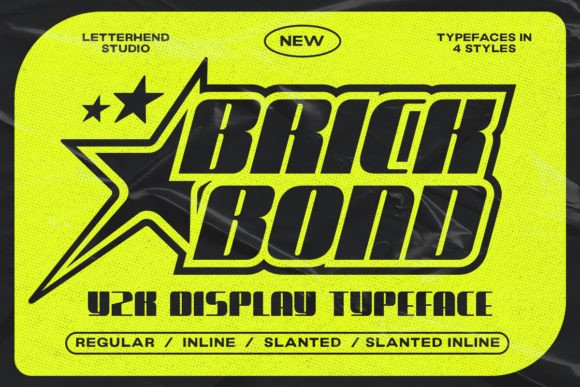
At its heart, Brick Bond is a display font, meaning it's engineered for impact at larger sizes rather than for extended reading. Its design philosophy is rooted in the graphic trends of the late 1990s and early 2000s, characterized by bold, geometric shapes and a sense of technological optimism. However, it avoids looking dated by incorporating clean lines and a structured form. The font family typically includes a standard bold version, an outline variant for layering effects, and a slant (or italic) version for dynamic emphasis. This trio offers a solid foundation for creating visual hierarchy and interest within headlines and key text elements.
The true value of Brick Bond lies in its ability to command attention without sacrificing legibility. Its bold weight ensures that titles and headlines are immediately noticeable, while the geometric construction keeps characters clear and distinct. For designers working on projects that need to convey energy, modernity, or a tech-forward attitude, this font provides a ready-made solution. It’s not trying to be a versatile workhorse for body copy; it excels precisely because it focuses on a specific, high-impact role.
Key Strengths and Practical Applications
When evaluating a font like Brick Bond, it's helpful to consider its performance in real-world scenarios. Its strengths become apparent in projects where visual punch is a priority.
- Headlines and Titles: This is Brick Bond's primary domain. Its bold, condensed letterforms are perfect for website hero sections, poster headlines, and YouTube video titles. The weight ensures readability even on busy backgrounds or at a distance.
- Branding and Logos: For brands in the tech, gaming, entertainment, or streetwear spaces, Brick Bond can inject personality into a logo mark. The outline version is particularly useful for creating versatile logo lockups that work on various backgrounds.
- Social Media Graphics: In the fast-scrolling environment of platforms like Instagram or TikTok, bold typography is essential. Brick Bond can make quotes, announcements, and promotional text stand out in a crowded feed.
- Event Posters and Flyers: The font's energetic character suits music festivals, tech conferences, or product launches. Pairing the bold and slant versions can create a dynamic, rhythmic layout.
Practical usability is a key consideration. Brick Bond generally performs well in common design software like Adobe Creative Suite, Figma, and Canva. Its character set, while focused, should cover basic Latin characters, numbers, and common punctuation. However, creators working on multilingual projects should verify its support for extended Latin or other scripts before committing.
Who Benefits Most from Using Brick Bond?
Not every project requires a font with this specific aesthetic. Brick Bond is most beneficial for a particular set of professionals and creators whose work aligns with its strengths.
- Graphic Designers and Brand Strategists: Those crafting visual identities for clients in modern, youthful, or tech-centric industries will find Brick Bond a valuable asset in their toolkit. It solves the problem of needing a typeface that feels both contemporary and impactful.
- Social Media Managers and Content Creators: For anyone producing visual content for digital platforms, having a go-to bold font for text overlays is a practical necessity. Brick Bond fits this need well.
- Small Business Owners: Entrepreneurs designing their own marketing materials—such as banners, promotional graphics, or website headers—can use Brick Bond to achieve a professional, attention-grabbing look without extensive design training.
- Educators and Presenters: Creating engaging presentation slides or educational infographics can be enhanced with a strong headline font. Brick Bond can help segment information and highlight key takeaways effectively.
It's particularly useful in situations where the goal is to attract a younger demographic or to align with themes of innovation, digital culture, or street style. The Y2K influence, when used thoughtfully, can evoke a sense of nostalgia for some audiences while feeling fresh and novel to others.
Considerations and Potential Limitations
A balanced evaluation requires acknowledging where a tool might not be the ideal fit. Brick Bond, by nature of being a bold display font, has inherent limitations.
Its most significant constraint is legibility at small sizes. The bold, geometric letterforms that make it powerful for headlines can become cluttered and difficult to read when used for body text or fine print. It is not designed for that purpose, and attempting to use it as such would compromise readability. Similarly, the outline version, while stylish, should be used sparingly and at a sufficient size to ensure the letterforms remain clear.
Overuse is another consideration. Because Brick Bond has a very distinct personality, using it excessively across a single design can lead to visual fatigue. It works best as an accent or a focal point, paired with a more neutral, highly legible font for supporting text. This contrast creates a professional hierarchy and prevents the design from feeling overwhelming.
Finally, while the Y2K aesthetic is trending, it's a stylistic choice that carries specific connotations. It may not be the right fit for projects requiring a classic, formal, or minimalist tone. Understanding your project's goals and audience is crucial before selecting Brick Bond.
Making the Most of Brick Bond in Your Workflow
If you decide that Brick Bond aligns with your project's needs, here are a few practical recommendations for its implementation.
First, pair it wisely. Combine Brick Bond with a clean, simple sans-serif font for body copy. Fonts like Inter, Open Sans, or Roboto provide excellent contrast and ensure the overall design remains balanced and readable.
Second, leverage the font family. Don't just use the bold version. The outline can be used to create interesting visual effects, like a secondary layer of text or a textured fill. The slant version is perfect for adding emphasis to a single word or phrase within a headline, guiding the reader's eye and adding kinetic energy to the composition.
Third, mind the spacing. As with any bold, condensed font, tracking (letter-spacing) may need slight adjustment, especially in all-caps settings. A little extra space can improve readability and give the text room to breathe. Test your headlines at the intended display size to find the sweet spot.
Ultimately, Brick Bond is a specialized tool. It offers a distinct blend of Y2K nostalgia and futuristic boldness that can make headlines, titles, and key design elements genuinely shine. For designers and creators whose projects demand a strong, contemporary voice, it represents a focused and effective typographic choice. Its value is realized not in versatility, but in its ability to perform a specific task—commanding attention—with confidence and style. By understanding its strengths and applying it thoughtfully, you can ensure it enhances your work rather than defines it.