Moria: A Celtic Script from Middle-earth
Understanding the Elven Script
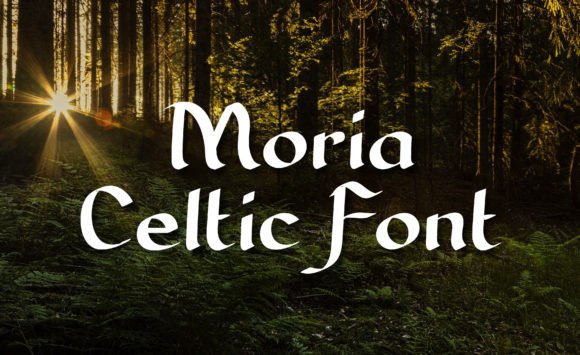
In the vast landscape of digital typography, finding a font that tells a story is rare. Moria is not just a collection of vector curves and points; it is described as a Celtic script-style font that feels as though it was descended directly from the elves of Middle-earth. Imagine the possibility of a typeface that carries the weight of ancient history, yet is magically placed into our modern digital workflow. This font attempts to bridge the gap between high fantasy lore and practical design needs, offering a distinct aesthetic that feels elegant, hand-crafted, and deeply rooted in heritage.
For the uninitiated, a "Celtic script" usually refers to styles inspired by early medieval insular scripts, often characterized by their rounded forms and distinct serifs. However, Moria takes this a step further by infusing the design with a specific fictional lineage. It suggests an elegance that might be found on a scroll in Rivendell or carved into the gates of the Mines of Moria. The result is a typeface that doesn't just spell out words; it imbues them with a sense of magic and antiquity. Whether you are a seasoned typographer or a hobbyist looking for the perfect font for a wedding invitation, understanding the texture of this font is the first step to using it effectively.
A Font for Creators and Storytellers
For creative professionals—graphic designers, writers, and game developers—the choice of typography can make or break the immersion of a project. Moria is particularly potent for those working within the fantasy genre. If you are a game developer creating a UI for an RPG (Role-Playing Game), this font offers immediate visual shorthand. Players instantly recognize the "high fantasy" aesthetic. Instead of relying on generic serif fonts, using Moria for titles, headers, or item descriptions can instantly transport the player into the world you have built. It suggests that the game mechanics are backed by deep lore.
Writers and bloggers focusing on fiction, specifically those in the sub-genres of high fantasy or historical fiction, may find this font invaluable for cover design or promotional graphics. A book cover featuring Moria immediately signals to the reader that the story involves magic, ancient worlds, or epic quests. However, it is important to note that readability is key. While Moria is elegant, script fonts can sometimes be difficult to read in long-form body text. Therefore, experienced designers often pair a decorative font like this with a clean, sans-serif or simple serif font for the body copy, ensuring the presentation remains professional while the headers capture the creativity.
Practical Applications for Businesses and Hobbyists
While the connection to Middle-earth is strong, the utility of a Celtic script extends far beyond fiction. Small business owners and entrepreneurs, particularly those in niche markets, can leverage Moria to build a distinct brand identity. Consider businesses that deal in:
- Heritage and Ancestry: Companies selling genealogy services or heritage tours can use this font to evoke a sense of history and connection to the past.
- Artisanal Goods: Breweries, bakeries, or craftspeople often look for branding that feels "hand-made" and authentic. A script font like Moria suggests craftsmanship and tradition.
- Event Planning: For weddings, renaissance fairs, or themed parties, this font is perfect for invitations and signage that require a touch of elegance and old-world charm.
For hobbyists and consumers, the evaluation criteria are often different. A hobbyist making a scrapbook page or a personal project might prioritize ease of use and emotional resonance over commercial licensing concerns. They want a font that "feels" right. Moria fits this need perfectly because it carries an inherent emotion. You don't need to be a professional typographer to feel the difference between a standard Times New Roman and the flowing, magical quality of Moria. It allows everyday users to add a layer of sophistication to personal projects without needing advanced design skills.
Evaluating Moria for Your Specific Needs
When deciding whether Moria is the right choice for your project, it is helpful to assess your priorities regarding quality, flexibility, and presentation.
For the Professional Designer
Professionals will look at the technical aspects. Does the font kern well? Is it legible at small sizes? Does it come with a full character set, including ligatures and accented characters? If you are working on a commercial project, you must also consider the licensing. A professional needs to ensure that the font is cleared for commercial use to avoid legal issues down the road. The reliability of the file format and the consistency of the glyphs are paramount here.
For the Educator and Storyteller
Educators teaching history or literature might use Moria to create engaging worksheets or presentation slides. The goal here is learning value and engagement. A visually distinct header can break up the monotony of text-heavy materials, helping students focus on the content. Similarly, Dungeon Masters running table-top games (like Dungeons & Dragons) can use this font to create handouts that look like ancient prophecies or maps, significantly enhancing the experience for their players.
For the Entrepreneur
For the entrepreneur, the decision often comes down to commercial value and speed. Does this font save time by instantly conveying the brand message? Does it attract the target demographic? If your brand is modern, minimalist, or tech-focused, Moria is likely not the right fit. However, if your brand narrative involves magic, history, or artisanal quality, this font becomes a powerful tool in your visual arsenal. It helps in creating a cohesive visual identity that resonates with customers looking for authenticity.
The Balance of Aesthetics and Usability
One of the challenges with specialized fonts like Moria is balancing the beautiful aesthetic with practical usability. As mentioned, "magical" or "script" fonts can sometimes sacrifice readability for style. This is a crucial consideration for web designers and content creators. If you use Moria for a website header, it might look stunning. However, using it for the navigation menu or the footer text could confuse users and degrade the user experience.
A practical approach is to use Moria as an accent font. Think of it as the jewelry of your design rather than the clothing. Use it for:
- Logos and Wordmarks: Where the text is large and short.
- Hero Images: Large text overlays on images.
- Pull Quotes: To highlight a specific phrase in a blog post.
- Decorative Elements: Chapter titles or section dividers.
By limiting its use to high-impact areas, you maintain the magic of the font without compromising the clarity of your message. This strategy works for beginners and pros alike, ensuring that the design remains accessible to all audiences.
Final Thoughts on Selection
Ultimately, choosing a font like Moria is a decision rooted in the narrative you wish to tell. It is a tool for creators who want to evoke a specific atmosphere—one of ancient mystery, elven elegance, and Celtic heritage. Whether you are a marketer crafting a campaign for a historical product, a freelancer designing a book cover, or a hobbyist adding a touch of magic to a family genealogy project, this font offers a distinct voice.
When you look at Moria, you aren't just seeing letters; you are seeing a style that has been "magically placed" to help you tell better stories. It reminds us that design is not just about function, but about feeling. If your project requires a touch of the extraordinary, Moria might just be the perfect bridge between your modern needs and the timeless allure of Middle-earth.