Embrace the Warmth of Sunshine: Mastering Script Handwritten Fonts for Your Crafts
In the world of digital design and handmade crafts, the typography you choose acts as the voice of your creation. When you download a font like Sunshine, you are not just acquiring a set of characters; you are adopting a specific tone. Described as the epitome of elegance and warmth, this script handwritten style is designed to bring a heartfelt charm to everything from embroidery patterns to festive holiday cards. However, the transition from a beautiful digital preview to a stunning physical product is rarely automatic. Many creators, whether they are seasoned professionals or enthusiastic beginners, often stumble when applying fluid, cursive scripts to tangible materials.
Understanding the Essence of Sunshine
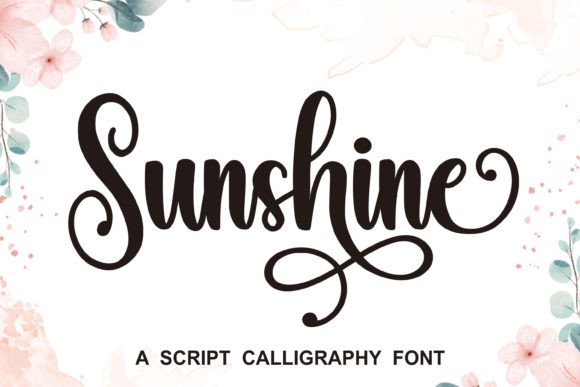
Before diving into technical application, it is vital to understand what Sunshine brings to the table. This typeface is crafted with precision to mimic the natural flow of hand-lettering. Its fluid strokes and graceful curves are intended to evoke feelings of gratitude and joy, making it an ideal candidate for Thanksgiving decorations, Christmas lettering, and personalized gifts. The aesthetic is whimsical yet refined, aiming to transform ordinary pieces into extraordinary works of art.
However, the very features that make Sunshine beautiful—its thin swashes and connected loops—can also be the source of frustration if not handled correctly. The allure of the font often leads users to overlook the practical requirements of their specific medium, resulting in projects that look cluttered or illegible rather than elegant.
Navigating the Pitfalls of Legibility and Sizing
One of the most common mistakes when using a script font like Sunshine is prioritizing style over readability. Because the font features intricate ligatures and fluid connections, it is not always suitable for small text blocks or long paragraphs.
The Error: Many users attempt to use Sunshine for body text on digital invitations or for fine print on product labels. When scaled down, the delicate curves of the font tend to bleed together, turning a heartfelt message into an unreadable squiggle. This is particularly problematic in embroidery, where thread thickness can obscure fine details if the stitch count is too low.
The Better Approach: Reserve Sunshine for headlines, monograms, or short, impactful phrases like "Thankful" or "Joy to the World." For embroidery, ensure that the design is digitized at a size where the satin stitches can fully form without overlapping excessively. A good rule of thumb is to test print your text at the intended size before committing to cardstock or fabric. If you have to squint to read the digital preview, the physical result will likely be disappointing.
The Critical Role of Contrast and Background
Another overlooked detail is how the font interacts with the background. The "whimsical" nature of Sunshine means it relies on negative space to define its shape. When placed on busy or high-contrast backgrounds, the elegance of the script can be lost entirely.
The Error: Placing the light, airy strokes of Sunshine over a heavily patterned scrapbook paper or a textured wood grain photo. The visual noise competes with the font's delicate structure, making the design look chaotic rather than charming.
The Better Approach: If your background is busy, use a solid shape behind your text, such as a banner, a chalkboard graphic, or a simple oval vignette. This creates a "quiet" zone for the font to shine. Alternatively, if you are using the font for digital overlays on photos, consider using a drop shadow or a subtle outer glow to separate the text from the image. For physical crafts like card making, choose solid-colored cardstock that contrasts well with the ink color you are using.
Letter Spacing and Alignment in Handmade Projects
Typography is as much about the space between letters as the letters themselves. With a connected script font, the spacing is usually pre-determined by the font designer, but this digital perfection doesn't always translate to physical application.
The Error: Ignoring the baseline. While Sunshine is designed to look like natural handwriting, placing it on a perfectly straight, rigid line can sometimes make it look stiff. Conversely, trying to manually curve the text along a circle (for a round embroidery hoop or a circular stamp) without adjusting the individual letter angles can result in a distorted, amateurish look.
The Better Approach: When working on curved surfaces or shapes, use the "Text on a Path" feature in your design software rather than manually rotating individual letters. This maintains the integrity of the font's connections. For physical applications like hand-stamping, practice on scrap paper first to get a feel for the spacing. If you are cutting vinyl decals, remember to "weld" or "attach" the letters in your cutting software (like Cricut Design Space) so that the machine cuts the word as a single continuous piece rather than individual letters, preserving the handwritten aesthetic.
Choosing the Right File Format and Software
The versatility of Sunshine allows it to be used across various platforms, from Adobe Illustrator to Procreate and even basic word processors. However, compatibility issues are a frequent source of headache.
The Error: Assuming the font will look identical everywhere. Some software may not support specific OpenType features, such as stylistic alternates or special swashes, which are often the "magic" behind fonts like Sunshine. You might download the font expecting a decorative tail on a capital 'S', only to find a standard, less exciting letter.
The Better Approach: Check the font's documentation to see which software supports its advanced features. If you are using basic software that doesn't support OpenType features, look for a "PUA encoded" version of the font or a separate file containing the extra swashes as individual characters that you can copy and paste. Furthermore, when sending files to a print shop or a CNC machine, always convert your text to outlines (vectorize it) or rasterize it. This ensures that the recipient sees exactly what you designed, even if they don't have the Sunshine font installed on their system.
Final Thoughts on Elevating Your Craft
Ultimately, Sunshine is a tool designed to infuse your projects with the essence of celebration. Whether you are a small business owner creating packaging for holiday goods or a hobbyist making a scrapbook for a loved one, the font offers a timeless charm. The key to success lies in respecting the font's design. By ensuring proper sizing, maintaining high contrast, managing spacing, and using the correct software settings, you avoid the common pitfalls that plague many crafters.
Don't let your creativity be hindered by technical oversights. Approach your next project with these practical solutions in mind, and let the fluid strokes of Sunshine do what they were designed to do: spread joy and warmth. When used correctly, this script font doesn't just write words; it tells a story of care, precision, and festive cheer.