Set Sail for High-Energy Creative Joy with Deckhand
In the vast ocean of digital typography, where sharp, geometric sans-serifs and stoic serifs often dominate the landscape, there is a growing hunger for something more human, more tactile, and more emotionally resonant. We are witnessing a significant shift in visual communication, moving away from the rigid perfection of the machine toward the imperfect, charming warmth of the hand-drawn. Leading this charge into breezy, effortless design territory is Deckhand, a crafty typeface designed to capture the spontaneous spirit of a summer getaway. It is more than just a collection of glyphs; it is a mood, an atmosphere, and a powerful tool for modern creators seeking to inject personality into their digital presence.
Deckhand represents a specific aesthetic movement that prioritizes approachability over authority. With its slender, hand-sketched anatomy and rhythmic, slightly elongated letterforms, it radiates a casual, human-centric warmth that is increasingly rare in modern UI and branding. For professionals, entrepreneurs, and marketers, understanding how to leverage a font like Deckhand is not just about choosing a "pretty" typeface; it is about aligning with consumer psychology and the current cultural zeitgeist that values authenticity above all else.
The Anatomy of Effortless Charm
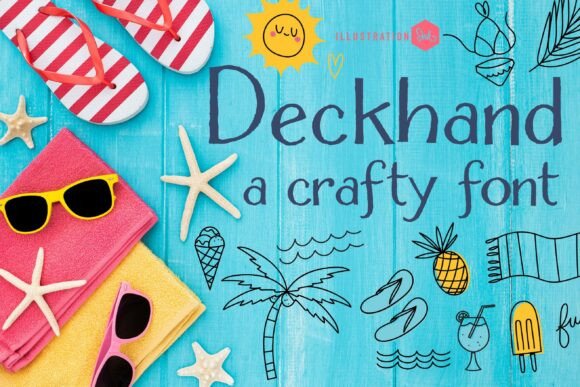
To understand why Deckhand resonates so deeply with contemporary audiences, one must look at its technical construction and how it mimics natural human expression. The typeface features a playful monolinear stroke, meaning the thickness of the lines remains consistent throughout the letter. This creates a clean, legible look that avoids the complexity of traditional calligraphy while retaining the organic feel of a marker or fine-tipped pen.
However, the defining characteristic of Deckhand lies in its bouncy baseline. In typography, a baseline is the invisible line upon which letters sit. Most professional fonts adhere to a strict, straight baseline to convey order and stability. Deckhand, conversely, allows its letters to dance slightly above and below this line. This subtle irregularity mimics the natural variation of handwriting, instantly signaling to the viewer that a real person is behind the message. It creates a rhythm that guides the eye forward, making it an exceptional choice for headers and display text where you need to grab attention immediately.
Aligning with the "Human-First" Design Trend
The digital landscape is currently undergoing a transformation often referred to as the "Human-First" or "New Sincerity" movement. After years of flat design, minimalism, and corporate sterility, consumers are craving connection. They are fatigued by the cold, automated nature of algorithm-driven content. This is where Deckhand shines. It bridges the gap between digital efficiency and analog warmth.
For creative lifestyle blogs and travel branding, this shift is critical. A travel agency or a lifestyle influencer cannot afford to look like a bank or a law firm. They need to evoke emotion, wanderlust, and freedom. Deckhand delivers a sense of legendary holiday energy that sterile fonts simply cannot replicate. It suggests that the brand is relaxed, confident, and ready for adventure. By utilizing this typeface, designers are tapping into a consumer preference for brands that feel like friends rather than corporations.
Practical Applications: From Screen to Fabric
The versatility of Deckhand allows it to cross boundaries between digital and physical mediums, a trait highly valued in today’s omnichannel marketing environment. Its clean legibility ensures it performs well on screens, while its handmade aesthetic translates beautifully to physical products.
Consider the following practical applications where Deckhand excels:
- Beach-Themed Event Invitations: Whether it is a destination wedding, a corporate retreat, or a summer festival, Deckhand sets the tone instantly. It bypasses the formality of traditional invitation scripts and invites guests to relax before they even arrive.
- Vibrant Apparel Headers: In the fashion industry, particularly in the streetwear and resort wear sectors, typography must be bold yet accessible. Deckhand works exceptionally well for t-shirt graphics and tote bags, offering a "skater" or "surfer" vibe that appeals to younger demographics.
- Creative Lifestyle Blogs: For content creators, the header font is the "face" of the article. Using Deckhand for H1 and H2 tags signals to the reader that the content is opinionated, personal, and curated with care.
- Startup Branding: New businesses, especially in the wellness, food, or sustainable goods sectors, often use fonts like Deckhand to appear less corporate and more community-focused. It suggests that the business is artisanal and values quality over mass production.
Adapting to Modern Workflows and Expectations
The relevance of Deckhand is also tied to the changing nature of work. With the rise of the creator economy, freelancers and solopreneurs are building personal brands that require a distinct voice. These creators often lack the budget for custom illustration or complex branding packages. A typeface like Deckhand provides an "out-of-the-box" personality. It allows a freelancer to create a logo, a website header, and a social media kit that feels cohesive and professionally artisanal without requiring advanced design skills.
Furthermore, the expectations of web users have evolved. We have moved past the era where "professional" meant "boring." Modern web design encourages personality. A finance app might still use a strict geometric sans-serif, but a fintech app targeting Gen Z for budgeting might use something with the character of Deckhand to make money management feel less intimidating. The font acts as a psychological softener, making complex or dry topics feel more accessible and engaging.
The Psychology of the "Breezy" Aesthetic
Why does a font with a bouncy baseline and slender anatomy evoke such positive feelings? The answer lies in color psychology and shape theory. Rounded, organic shapes are subconsciously associated with safety, nature, and comfort. Sharp angles, conversely, can signal danger or precision. Deckhand relies on these soft, rhythmic curves to create a sense of safety and joy.
In a high-stress global environment, visual content that offers a moment of respite performs better. When a user scrolls through a feed filled with aggressive marketing and stark, high-contrast graphics, the appearance of Deckhand acts as a visual exhale. It suggests a slower pace, a focus on enjoyment, and a break from the grind. For marketers, leveraging this psychology means higher engagement rates, as users are more likely to stop scrolling for content that feels inviting rather than demanding.
Integrating Deckhand into a Professional Design System
While Deckhand is a powerhouse of personality, professional designers know that typography is about balance. To use this font effectively in a professional context, it should be treated as the "accent" or "display" element of a design system, rather than the workhorse for body text.
A forward-looking design strategy might pair Deckhand with a clean, neutral sans-serif. For example, using Deckhand for all headlines and pull quotes establishes the brand's voice—playful, energetic, and approachable. However, the body copy (the paragraphs where the actual information is conveyed) should use a highly legible sans-serif. This contrast creates a visual hierarchy that is both beautiful and functional. It ensures that the design captures the "legendary holiday energy" without sacrificing readability for long-form content.
Future-Proofing Your Visual Identity
As we look toward the future of design, the trend toward personalization and authenticity shows no signs of slowing down. AI-generated content is becoming ubiquitous, and as it does, the value of human touchpoints will skyrocket. Brands that can demonstrate a human element—the slight imperfection of a hand-sketched font, the warmth of a casual tone—will stand out in a sea of automated perfection.
Deckhand is not just a fleeting trend; it is a response to a permanent shift in how we communicate. It answers the call for designs that feel lived-in and loved. By incorporating Deckhand into your toolkit, you are not just selecting a font; you are adopting a philosophy of design that prioritizes connection, joy, and the effortless beauty of the human hand.
Whether you are a freelancer looking to define your personal brand, a marketer aiming to revitalize a campaign, or a designer seeking to capture the essence of summer, Deckhand offers a reliable, stylish, and emotionally intelligent solution. It invites your audience to take a breath, relax, and enjoy the journey—a message that, in today’s fast-paced world, is worth its weight in gold.