The Enduring Charm of Cream Candy: A Modern Script Font for Authentic Design
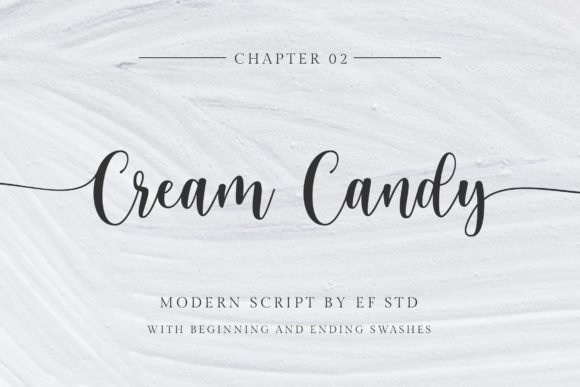
In the vast and ever-expanding universe of typography, certain typefaces manage to capture a specific moment, a feeling, or an aesthetic with remarkable clarity. Cream Candy is one such font. At first glance, it presents itself as a beautiful modern script, characterized by its fluid letterforms and, most notably, its stunning swashes. However, to label it merely as a decorative script is to overlook its core utility and relevance in today's design landscape. Cream Candy is not just a collection of letters; it is a tool for injecting personality, warmth, and a crafted sense of elegance into digital and print projects. Its 22 unique ligatures are not mere ornaments but functional elements designed to elevate typography from simple text to expressive art.
Understanding the Anatomy of a Modern Script
To appreciate Cream Candy's place, it helps to understand what defines a "modern script." Unlike traditional calligraphic or cursive fonts that often mimic historical handwriting styles, modern scripts are designed with contemporary aesthetics in mind. They tend to balance legibility with flair, offering a cleaner baseline and more consistent stroke weights than their predecessors. Cream Candy exemplifies this balance. Its design avoids the overly ornate or difficult-to-read pitfalls of some decorative scripts, making it versatile for both display and selective body text applications. The "modern" aspect also refers to its compatibility with current design software and digital workflows, ensuring it renders cleanly on screens and in print.
The defining features—the swashes and ligatures—serve a specific purpose. Swashes are the extended, often curved strokes that begin or end a letter, adding a dynamic and flowing quality. Ligatures are custom-designed character pairs (like "fl," "fi," or "th") that are joined to create a more harmonious and natural-looking word. Cream Candy's inclusion of 22 such ligatures is significant. It demonstrates a thoughtful approach to typography, acknowledging that true beauty in script fonts comes from how letters connect, not just how they stand alone. This attention to detail prevents awkward joins and creates a seamless, handwritten feel that resonates with audiences seeking authenticity.
Relevance in an Age of Digital Authenticity
Why does a font like Cream Candy matter now? The answer lies in a significant shift in user expectations and brand communication. As digital interfaces have become ubiquitous, there has been a growing counter-movement favoring human-centric, tactile, and personal aesthetics. This is evident in the rise of artisan branding, the popularity of hand-lettering in social media graphics, and the demand for user experiences that feel less robotic and more relatable. Cream Candy directly serves this trend. It provides a quick, reliable way for designers, marketers, and creators to infuse projects with that sought-after personal touch without the time investment of custom hand-lettering.
For entrepreneurs and small business owners, especially in sectors like boutique retail, wedding planning, artisanal food, or wellness, establishing a distinctive brand voice is crucial. A font like Cream Candy can become a cornerstone of visual identity. It communicates care, creativity, and attention to detail—qualities that build trust and emotional connection with customers. Imagine a bakery's menu, a wedding invitation suite, or a skincare product label; the right script font doesn't just display information, it tells a story about the brand's values and personality.
Practical Applications and Workflow Integration
The practical implications of using Cream Candy extend across numerous professional and creative workflows. For graphic designers, it offers a solution for projects requiring a elegant yet approachable headline or logo mark. Its swashes allow for customized flourishes that can make a logo unique, while the ligatures ensure that longer text settings, such as a brand name or a short tagline, remain legible and stylistically consistent.
For digital marketers and content creators, the font finds a natural home in social media graphics, email newsletter headers, and video thumbnails. In these fast-scrolling environments, visual distinctiveness is key to capturing attention. A well-applied Cream Candy headline can make a quote graphic stand out or add a celebratory feel to a promotional announcement. However, a key recommendation is to use it strategically. Pair it with a clean, neutral sans-serif font for body text to maintain readability and create a pleasing visual hierarchy. This pairing—expressive script with functional sans-serif—is a timeless and effective design principle.
Educators and bloggers can also leverage its aesthetic for materials that benefit from a warm, engaging tone. Think of course certificates, inspirational quote posters for a classroom, or the header of a blog focused on creative writing or lifestyle topics. The font helps set a specific mood, making the content more inviting. For freelancers, particularly those in creative fields like photography, illustration, or interior design, using Cream Candy in their portfolio presentations or client proposals can subtly reinforce their creative expertise and personal brand.
The Evolution of Typography and User-Centric Design
The evolution of font design mirrors broader technological and cultural changes. Early digital fonts were often limited by screen resolution and file size constraints, leading to simpler, more geometric designs. Today, with advanced OpenType features, high-resolution displays, and powerful design tools, font designers have the freedom to create sophisticated, feature-rich typefaces like Cream Candy. The inclusion of numerous ligatures and stylistic alternates is a direct result of this technological progression, allowing for more nuanced and authentic typographic expression.
This evolution also reflects changing user needs. Audiences are more visually literate than ever. They can subconsciously differentiate between a generic, overused script font and one with thoughtful design details. Using a high-quality font like Cream Candy signals professionalism and an investment in quality, which can positively influence how a brand or individual is perceived. It’s not just about looking good; it’s about communicating effectively and resonating on an aesthetic level with a target audience.
Recommendations for Effective Use
While Cream Candy is a powerful asset, its effectiveness depends on thoughtful application. Here are some grounded recommendations for its use:
- Purpose Over Decoration: Use the swashes and ligatures with intent. They should enhance the message or brand identity, not clutter it. A swash on the initial capital of a logo can be elegant; swashes on every letter in a sentence can become distracting.
- Context is Key: Consider the project's medium and audience. Cream Candy is superb for invitations, logos, and headers but may not be suitable for long blocks of body copy or formal corporate reports where traditional serif or sans-serif fonts are expected.
- Master the Pairing: As mentioned, pair it with a simple, highly legible font. This contrast allows Cream Candy to shine as a display font without sacrificing overall readability. Fonts like Montserrat, Open Sans, or even a classic serif like Garamond can create beautiful partnerships.
- Test for Legibility: Always test your text at the intended size and in the intended context. Check that the ligatures and swashes don't create confusing letter combinations, especially for viewers seeing the font for the first time.
- Explore OpenType Features: To fully utilize the font's potential, explore its full character set within your design software. Accessing different swash variations or stylistic alternates can provide even more customization and uniqueness for your projects.
Conclusion: A Tool for Meaningful Connection
In conclusion, Cream Candy represents more than just a trending typeface. It is a response to a deeper desire for human connection in our increasingly digital world. Its design—beautiful, modern, and equipped with functional details like 22 ligatures—provides creators and professionals with a reliable tool to add depth, emotion, and a personal signature to their work. By understanding its strengths and applying it with strategic care, users can harness its potential to create designs that are not only visually stunning but also deeply resonant with their intended audience. In the realm of visual communication, where first impressions are formed in milliseconds, such a tool is invaluable.