Thinking: A Font That Whispers Sweet Nothings to Your Designs
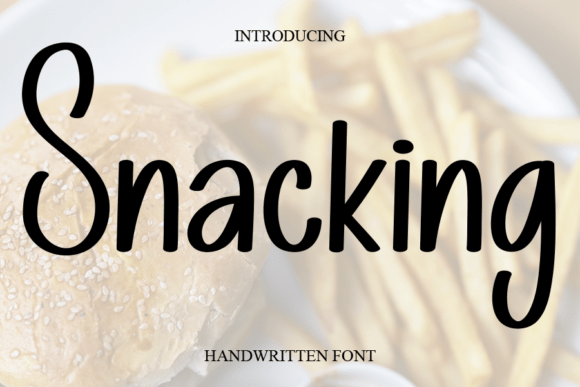
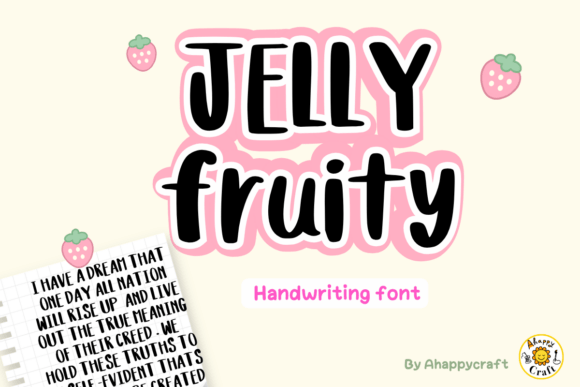
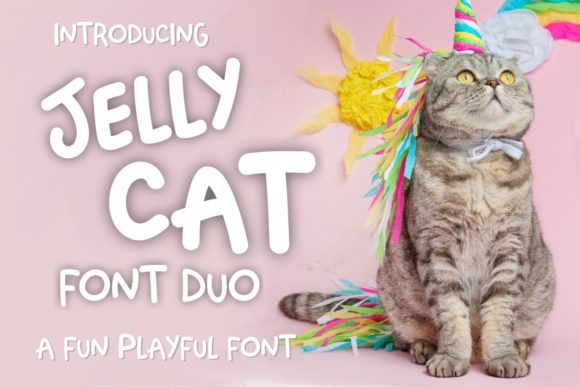
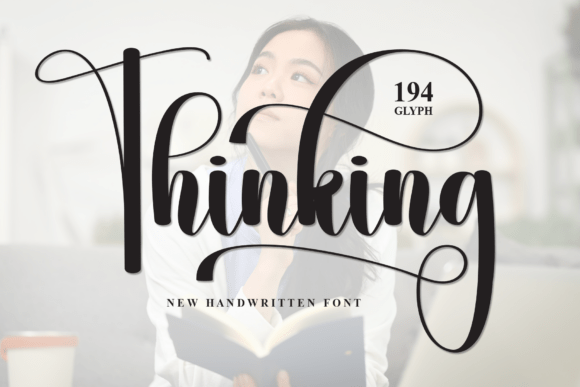
There's a particular kind of charm in a handwritten note, a personal touch that digital text often misses. The Thinking font captures that exact feeling. It's not just another script font; it's a carefully crafted typeface with a personality that's both sweet and sophisticated. Imagine the friendly, loopy scrawl of a friend's greeting card, but refined with consistent, elegant letterforms. The strokes have a gentle, flowing rhythm, with subtle variations in thickness that mimic the natural pressure of a pen on paper. The overall aesthetic is one of playful elegance—adorable without being childish, chic without being cold. This makes Thinking a standout display font for projects that need to convey warmth, approachability, and a touch of whimsy.
Where This Handwritten Font Truly Shines
The real-world applications for a premium font like Thinking are surprisingly diverse. Its core strength lies in projects where a personal, human connection is paramount. For wedding invitations, it’s almost a perfect match. The font’s sweet and friendly aura sets a joyful, intimate tone for the entire event suite, from save-the-dates to thank-you cards. Beyond weddings, it excels in personalized cards for birthdays, anniversaries, or heartfelt thank-yous.
But don't limit it to stationery. In brand identity, Thinking can be a secret weapon for small businesses, especially in boutique retail, artisanal goods, or lifestyle coaching. Used in a logo, it immediately signals a brand that values personal connection and craftsmanship. For packaging design, it can add a delightful, homemade feel to product labels for baked goods, cosmetics, or specialty teas. In the digital realm, it’s incredibly effective for social media graphics, adding a friendly, approachable voice to Instagram stories, quote cards, or promotional banners. It can also elevate a blog header or a call-to-action on a landing page, making the message feel more conversational and less corporate.
The Subtle Power of a Friendly Typeface
Choosing a typeface is a strategic decision that influences how your message is received. Thinking doesn't just decorate; it communicates. Its handwritten style inherently boosts audience engagement by feeling more personal and less like a mass-produced communication. This can positively affect brand perception, positioning a brand as approachable, creative, and customer-focused.
However, the context is everything. While Thinking is a beautiful creative font, it’s fundamentally a display font. This means its primary role is for headlines, titles, logos, and short bursts of text. For body copy or lengthy paragraphs, its readability decreases significantly. This is where thoughtful font pairing becomes critical. The magic happens when you pair Thinking with a clean, simple sans serif font or a classic serif font. For example, a wedding invitation might use Thinking for the couple's names and a elegant serif for the details. A social media graphic could feature a bold headline in Thinking with key information in a neutral sans serif. This pairing creates a clear visual hierarchy, guiding the reader's eye and ensuring the message is both beautiful and clear.
Practical Guidance for Working with Thinking
Before integrating Thinking into your next project, a little practical evaluation goes a long way. First, always test the font in context. View it at the size you intend to use it. Does it maintain its charm and clarity? Check the legibility of individual characters, especially in all-caps settings or with tricky letter combinations.
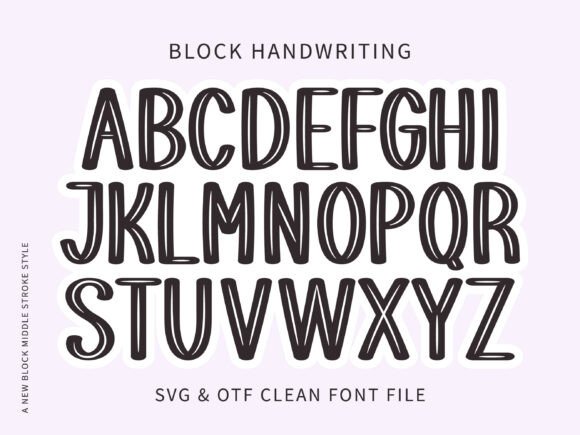
Next, explore what comes with your license. A good commercial font often includes multiple styles. Does Thinking have alternates, swashes, or ligatures? These extras can add a unique, custom feel to your designs and prevent the font from looking repetitive across different applications. Understanding the full character set is key to unlocking its full potential.
Finally, consider the licensing. If you're using it for client work, merchandise, or a commercial app, ensure your license covers that use. Most reputable design assets marketplaces make this clear. For a font like Thinking, which is perfect for logos and packaging design, a commercial license is typically required. Treat it as an investment in your design assets toolkit—a versatile handwritten font that can bring a consistent, joyful personality to numerous projects over time.
In the end, Thinking is more than just a collection of glyphs. It's a tool for adding a human touch. Whether you're a designer crafting a brand identity, an entrepreneur designing product labels, or a crafter making personalized gifts, it offers a way to infuse your work with warmth, personality, and a dash of playful sophistication. It proves that in modern typography, the most effective choices are often those that feel the most human.