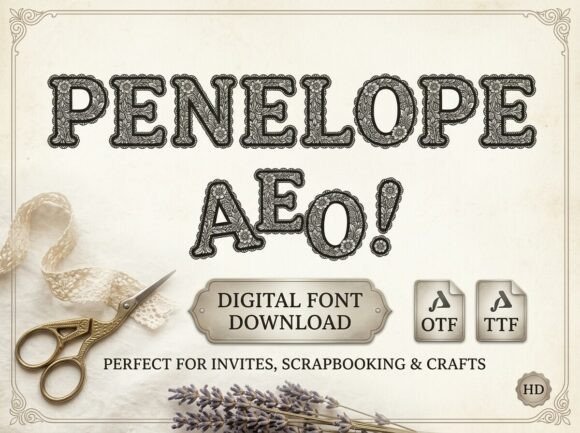
Leafy: Integrating a Decorative Display Font into Your Creative Process
Understanding the Role of a Display Typeface
In any creative workflow, typography is not merely a choice of letters; it is a fundamental component of the message's delivery. When we look at Leafy, we are looking at a specific category of tool known as a decorative display font. Unlike body copy fonts designed for long-form reading, display typefaces are engineered for high-impact moments. They are the visual equivalent of a headline speaker, designed to command immediate attention and set a distinct mood. Leafy, with its unique artistic elements and strong visual personality, is built to break away from the ordinary. It is not a workhorse for paragraphs; it is a specialized instrument for moments that require visual punctuation.
The distinction is crucial for effective planning. A common pitfall in design projects is the misapplication of tools. Using a decorative font like Leafy for body text would hinder readability and frustrate the user. Conversely, using a standard sans-serif for a hero headline can result in a forgettable first impression. Understanding that Leafy is an ALL-CAPS, uppercase-only typeface is the first step in its proper implementation. This characteristic makes it inherently bold and declarative. It is designed for short, powerful statements—brand names, event titles, or key slogans—where every letterform contributes to a cohesive artistic statement.
Strategic Placement in the Project Lifecycle
Integrating a distinctive asset like Leafy works best when its role is defined early in the creative process. During the pre-production and planning phase, a designer or brand strategist should map out the hierarchy of information. Where does the viewer's eye need to land first? What is the primary emotional tone? This is where Leafy enters the decision matrix. If the project calls for a modern, artistic, or slightly unconventional aesthetic, Leafy becomes a candidate for the primary headline treatment.
Consider a branding package for a new artisanal product. The workflow might look like this:
- Concept Development: Define the brand's voice as creative, premium, and handcrafted.
- Typographic Exploration: Select a complementary pair. A clean, professional sans-serif (like Montserrat or Lato) would be chosen for the ingredient list and body copy on the packaging for clarity. Leafy would be selected for the product name and logo, where its decorative flair communicates artistry.
- Application: Leafy is used for the main logo lockup and any bold callouts on marketing materials, ensuring the "center of attention" design goal is met without sacrificing the usability of secondary information.
This deliberate separation of roles prevents visual competition. Leafy does the heavy lifting for attraction, while a more neutral font handles the work of information delivery. This two-font system is a common and efficient professional practice.
Technical Integration and Workflow Efficiency
A smooth workflow depends on technical compatibility and asset organization. When you acquire Leafy, you receive two standard file formats: OTF (OpenType Font) and TTF (TrueType Font). Knowing which to use is part of an efficient process.
- The OTF file is the professional standard, particularly for advanced design software like Adobe Illustrator, InDesign, or Affinity Designer. It supports more sophisticated typographic features and is the preferred choice for most print and high-end digital design work. For any project where precise kerning (letter-spacing) and layout control are paramount, the OTF version of Leafy should be your go-to.
- The TTF file ensures universal compatibility. This is the file you would install if you need Leafy to appear correctly in general office software, on websites (via @font-face), or across different operating systems without issue. It's the versatile workhorse for broad application.
Organization is key. A practical tip is to create a dedicated "Brand Fonts" or "Project Assets" folder on your system or cloud storage. Installing both versions is fine, but being deliberate about which one you activate in a given application prevents last-minute formatting surprises. This small step in asset management saves significant time during the execution phase, especially when collaborating with others or moving a project between devices.
Practical Applications and Cross-Platform Consistency
The strength of a display font like Leafy is its versatility across different mediums, provided its core constraint—it is uppercase only—is honored. Here’s how it can be integrated into various practical outputs:
For Digital Presence: Use Leafy for the main headline on a landing page or as the primary typeface in a social media graphic. Its strong visual personality ensures the message stands out in a crowded feed. When creating a series of posts, applying Leafy consistently to all title cards builds immediate brand recognition. The key is to pair it with a highly legible, standard font for any accompanying body text or calls-to-action.
For Physical Products and Marketing: This is where Leafy truly excels. On packaging, it can transform a simple label into a piece of shelf art. For event invitations, posters, or menu headers, it sets a creative and polished tone. The important workflow consideration here is quality control. Always print a proof. The weight and spacing of a decorative font can render differently on screen versus paper. Checking the kerning and overall legibility at the final print size is a non-negotiable step to ensure a professional finish.
For Logo and Identity Systems: A font like Leafy can serve as the foundation for a custom logotype. Because it is a display font, a designer might use it as a starting point, then customize specific letterforms in a vector program to create a completely unique mark. The process involves setting the word in Leafy, outlining the text, and then manually adjusting curves, connections, or adding bespoke flourishes. This leverages the font's inherent style while ensuring the final logo is one-of-a-kind.
Long-Term Use and Maintaining Cohesion
Adopting a distinctive typeface like Leafy is a commitment to a specific visual language. For long-term projects or brand identities, consistency is what builds recognition. This means documenting its use. A simple style guide—even a one-page document—should specify:
- The primary use cases for Leafy (e.g., "All primary campaign headlines").
- The approved secondary font for complementary text.
- Examples of correct and incorrect application (e.g., "Do not use for body copy or in sentence case").
This document becomes a critical part of your creative toolkit, ensuring that whether you are creating a new asset yourself or handing the project off to a freelancer or colleague, the visual identity remains cohesive. Leafy becomes a recognized element of the brand's personality, not just a one-off design choice.
Ultimately, integrating Leafy is about understanding its purpose as a tool for impact. It is not a font for every occasion, but for the right occasion, it is exceptionally effective. By planning its role, respecting its technical specifications, and applying it with consistency, you can harness its artistic strength to elevate your projects from ordinary to memorable. It is a strategic asset that, when used correctly, ensures your most important messages are not just seen, but felt.