Mango Smile: The Psychology of Playful Typography in Modern Design
In the intricate world of visual communication, the choice of typeface is rarely merely aesthetic; it is a psychological decision that dictates how a message is received before the first word is read. Among the myriad of options available to designers, Mango Smile emerges as a distinct voice in the typographic landscape. It is not just a collection of glyphs but a declaration of intent. As a fun, bold, and cheerful display font, Mango Smile embodies a playful personality that bridges the gap between youthful exuberance and professional branding needs. Understanding how to leverage such a typeface requires a deep dive into the psychology of shapes, the mechanics of display typography, and the practical applications that span from digital interfaces to physical merchandise.
The Anatomy of Joy: Deconstructing the Mango Smile Aesthetic
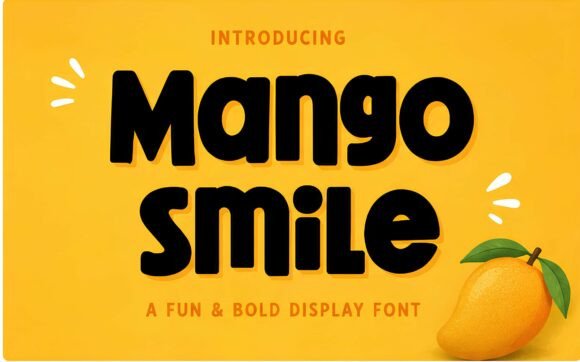
To understand why a font like Mango Smile resonates with modern audiences, one must look at the structural characteristics of the letterforms themselves. Display fonts are designed to grab attention, often sacrificing legibility at small sizes for impact at large sizes. However, Mango Smile navigates this challenge by incorporating rounded terminals and generous letter spacing. These features soften the visual impact, making the text approachable rather than aggressive.
The "boldness" of Mango Smile is not just a matter of weight; it is a matter of presence. The thick strokes suggest confidence and stability, while the inherent curves mimic the natural shapes found in nature, specifically the human smile, which the name implies. This combination creates a subconscious association with safety and happiness. In color theory and typography, round shapes are universally linked to friendliness. When a brand utilizes Mango Smile, they are tapping into this primal recognition of soft, safe forms.
Key Visual Traits
- Rounded Terminals: The ends of the strokes are curved rather than flat, eliminating harsh angles and creating a fluid motion for the eye to follow.
- High X-Height: Typically, playful fonts like Mango Smile feature a larger lowercase x-height relative to the cap height, which aids in readability and gives the text a "chubby," friendly appearance.
- Variable Weight: While described as bold, the interplay between thick and thin strokes in Mango Smile is often subtle, maintaining a consistent texture that prevents visual clutter.
Strategic Applications: From Branding to Packaging
The utility of a typeface like Mango Smile extends far beyond novelty. In the professional sphere, it serves as a strategic tool for targeting specific demographics. Consumer psychology dictates that different typefaces attract different personality types. A serif font might appeal to a traditionalist seeking authority, whereas Mango Smile appeals to a demographic seeking joy, creativity, and accessibility.
Product Packaging and Retail
Consider the retail environment, specifically the children’s product sector. Packaging for toys, snacks, and educational materials must communicate safety and fun instantly. Mango Smile excels here because its visual noise is harmonious. It does not scream; it laughs. When applied to a cereal box or a toy label, the font creates an immediate emotional connection with the child (the end-user) while assuring the parent (the purchaser) of the product's approachable nature.
Beyond children's products, Mango Smile finds relevance in the "adulting" market. Brands that sell comfort food, craft supplies, or casual leisurewear often utilize playful typography to signal that their products are a respite from the seriousness of daily life. A coffee shop branding itself with Mango Smile suggests a laid-back atmosphere where the coffee is good, but the vibe is better.
Digital Presence and Social Media
In the ephemeral world of social media, attention spans are short. A user scrolling through a feed pauses for fractions of a second. Bold, distinct typography acts as a visual stop sign. Mango Smile is particularly effective for Instagram graphics, YouTube thumbnails, and TikTok overlays. Its bold nature ensures legibility even on small mobile screens, and its playful personality helps content stand out against the often sterile, minimalist aesthetic of corporate social media feeds.
Furthermore, the font translates well to "merch" culture. T-shirts, tote bags, and stickers are walking billboards. A slogan printed in Mango Smile transforms a simple phrase into a graphic statement. It suggests the wearer has a sense of humor and a creative spirit, aligning personal identity with the typography they choose to display.
The Maker Movement: Mango Smile in DIY and Crafting
The rise of home fabrication tools, such as Cricut and Silhouette machines, has democratized design. Hobbyists are no longer limited to pre-made products; they are creating custom decals, home décor, and personalized gifts. Mango Smile is an ideal candidate for this ecosystem due to its structural integrity during the cutting process.
Cricut and Vinyl Cutting Considerations
When a font is used for physical cutting, specific technical requirements must be met. Fonts with extremely thin hairlines or overly complex interconnections can cause the vinyl to tear or the blade to snag. Mango Smile, with its bold strokes and distinct separation between characters, minimizes these technical failures. It offers a "weedable" design—meaning the negative space is accessible enough for crafters to remove excess material easily.
For educators and parents, Mango Smile is a powerful tool for creating learning materials. Flashcards, classroom decorations, and reward charts benefit from a typeface that is clear and engaging. The visual weight of Mango Smile helps young readers distinguish individual letters, supporting early literacy development by making the text feel like a game rather than a chore.
Technical Integration and Workflow
Integrating a specialized display font into a professional workflow requires an understanding of file formats and compatibility. Mango Smile is typically distributed in formats such as OTF (OpenType) and TTF (TrueType), ensuring compatibility across major operating systems like Windows and macOS.
Pairing Strategies
A common challenge with bold, personality-driven fonts is pairing them with secondary text. Using Mango Smile for body copy is generally inadvisable; its decorative nature can cause eye strain over long paragraphs. Instead, it should be reserved for headers, sub-headers, and call-to-action buttons.
For body text, pairing Mango Smile with a clean, geometric sans-serif is often the most effective strategy. The neutrality of a sans-serif allows the personality of Mango Smile to shine without competing for attention. For example:
- Header: Mango Smile (Bold, colorful, large scale)
- Body: Roboto, Open Sans, or Lato (Neutral, high legibility, smaller scale)
This contrast creates a visual hierarchy that guides the reader's eye naturally from the engaging header to the informative body text.
SEO and Accessibility in Playful Typography
While visual appeal is paramount, digital designers must also consider Search Engine Optimization (SEO) and web accessibility. Search engines cannot "see" the font in the same way humans do; they rely on code. However, the behavior of the user is influenced by the design.
If a page uses Mango Smile effectively to create a welcoming environment, users are likely to stay longer, reducing bounce rates. This dwell time signals to search engines that the content is valuable. However, caution must be exercised regarding contrast. Playful fonts are often used in bright, vibrant colors. Designers must ensure that the color contrast between the Mango Smile text and the background meets WCAG (Web Content Accessibility Guidelines) standards to ensure readability for users with visual impairments.
Additionally, for web implementation, it is best practice to use Mango Smile as a web font (WOFF2 format) and implement "font-display: swap" in the CSS. This ensures that the text remains visible even if the font file takes a moment to load, preserving the user experience and preventing layout shifts that can negatively impact SEO rankings.
The Future of Cheerful Design
Trends in design are cyclical. We have moved from the maximalism of the 80s to the minimalism of the early 2000s, and now we are seeing a resurgence of personality-driven design. In an era often characterized by digital fatigue and corporate austerity, consumers crave authenticity and warmth. Mango Smile fits perfectly into this zeitgeist.
It represents a move away from the "cold" efficiency of standard system fonts toward a more human-centric approach. Whether it is used on a startup's landing page to soften the tech barrier, or on a bakery's menu to evoke the warmth of fresh bread, Mango Smile serves as a reminder that design can be both functional and joyful.
For the designer, the educator, the hobbyist, and the business owner, Mango Smile is more than just a font—it is a tool for connection. It allows for the expression of ideas that are not just read, but felt. By understanding its strengths and applying it with strategic intent, creators can transform ordinary projects into memorable experiences that leave a lasting impression on their audience. The versatility of Mango Smile ensures that it will remain a relevant and valuable asset in any digital or physical toolkit for years to come.