New York Graf: Capturing Urban Authenticity in Modern Design
In a digital landscape saturated with sleek, minimalist fonts and polished corporate aesthetics, a powerful counter-movement is gaining traction. Designers, entrepreneurs, and creators are increasingly seeking typefaces that convey raw authenticity, cultural roots, and unapologetic energy. This shift isn't just about visual preference; it's a response to audience expectations for genuine connection and storytelling. Amidst this demand, New York Graf emerges as a specialized tool, offering more than just letters—it delivers the visceral spirit of urban underground culture directly to the digital canvas.
Understanding the Typeface: More Than Just Bubble Letters
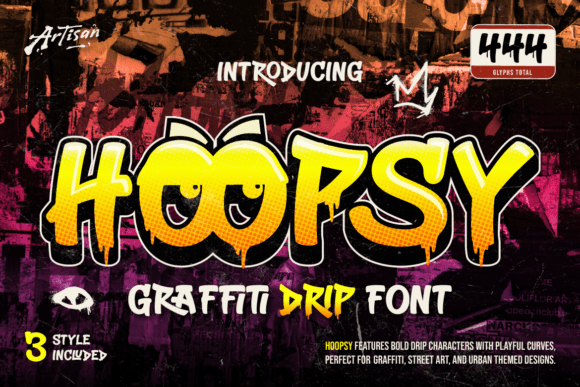
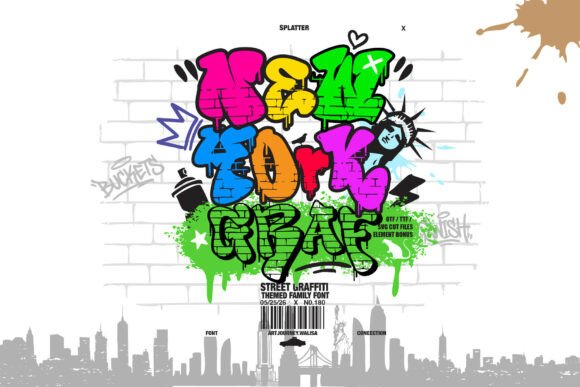
New York Graf is a high-octane, street graffiti-themed display font family. Its design DNA is directly extracted from the visual language of classic East Coast urban art. The structural foundation draws from iconic bubble letter tags and the bold, sweeping strokes created with fat-cap spray paint cans. This isn't a generic "grunge" font; it's a deliberate homage to the artistry found on concrete city blocks. Each character features puffy, interlocked forms, accented by details like oozing liquid drips, sharp street crowns, and clean brickwork outline overlaps. These elements are carefully crafted to make headlines and logos leap off the surface with a three-dimensional, tactile quality that digital text often lacks.
The relevance of such a typeface today is tied to a broader trend in design and branding: the pursuit of niche authenticity. As audiences become more discerning, generic visuals fail to capture attention. For brands and projects aiming to resonate with specific subcultures—streetwear enthusiasts, hip-hop communities, skate culture fans, or the urban art scene—using a typeface like New York Graf signals an understanding and respect for that culture's visual vernacular. It moves beyond superficial imitation to provide a structurally accurate and aesthetically coherent tool.
Practical Applications in a Modern Creative Workflow
The utility of New York Graf extends across numerous practical domains, reflecting the evolving needs of modern creators and businesses. Its application is particularly potent where bold, immediate visual impact is required.
- Branding with Cultural Credibility: For edgy streetwear apparel lines, the font establishes an instant visual identity rooted in urban aesthetics. It speaks directly to the target demographic without needing explanation, helping new brands establish credibility quickly in a competitive market.
- Music Industry Visuals: Hip-hop music album sleeves, concert posters, and social media graphics benefit immensely. The typeface helps encapsulate the energy, history, and rebellious spirit associated with the genre, creating cohesive and compelling visual narratives for artists.
- Action Sports and Event Graphics: The raw, high-energy feel is ideal for extreme sports skate graphics, BMX event flyers, and bold festival posters. It conveys movement, risk, and excitement, aligning perfectly with the adrenaline-fueled nature of these activities.
- DIY and Maker Projects: With the rise of home crafting and platforms like Etsy, many use cutting machines like Cricut. New York Graf's blocky, clear outlines translate exceptionally well to custom vinyl stickers, decals, and heat transfers, allowing hobbyists to produce professional-looking, culturally relevant merchandise.
A key practical advantage is the included bonus element pack. This typically contains complementary graphics such as spray cans, paint splatters, and urban silhouettes. For creators, this integrated toolkit streamlines the design process, ensuring visual consistency between typography and illustrative elements without requiring separate asset sourcing. It respects the modern workflow where efficiency and cohesive aesthetics are paramount.
The Evolution of Digital Typography and Cultural Expression
The attention being paid to specialized display fonts like New York Graf reflects an evolution in digital typography. Early digital fonts often prioritized legibility and uniformity. Today, typefaces are increasingly viewed as carriers of cultural meaning and emotional tone. This evolution parallels changes in social media and content creation, where visual identity must be communicated instantaneously and with strong character.
Furthermore, the democratization of design tools has empowered a wider range of creators—from freelancers to small business owners—to produce high-quality visual content. This has expanded the market for fonts that serve specific aesthetic niches rather than broad, neutral applications. New York Graf answers a specific call within this market: the need for a typeface that is both artistically authentic and technically robust for digital and print reproduction.
Grounded Recommendations for Effective Use
While New York Graf is a powerful tool, its effectiveness depends on thoughtful application. Here are some realistic recommendations for integrating it into projects:
- Context is Key: This font excels as a headline or logo typeface. Using it for long paragraphs of body copy would severely compromise readability. Its strength lies in high-impact, short-form messaging.
- Pairing with Simplicity: To avoid visual clutter, pair New York Graf with a clean, neutral sans-serif or serif font for supporting text. This creates a hierarchy that guides the viewer's eye and maintains overall legibility.
- Leverage the Bonus Elements: Don't overlook the included graphics. Using the spray can or splatter motifs as subtle background textures or accent elements can tie a design together beautifully, enhancing the overall theme without overwhelming the primary message.
- Know Your Audience: As with any strongly themed asset, its appropriateness depends entirely on the project's goals and audience. It is a perfect fit for projects targeting demographics that appreciate urban culture, music, and street art. For corporate or highly formal contexts, it would likely be incongruous.
In essence, New York Graf is more than a decorative font. It is a specialized instrument for injecting authentic urban energy into digital and print designs. Its value lies in its ability to communicate a specific cultural language, meet the demand for genuine visual storytelling, and provide creators with a focused, high-quality toolset for projects where raw, pulsating energy is not just desired, but required. By understanding its roots and applying it with strategic intent, designers and brands can create work that resonates deeply and stands out visually in a crowded creative space.