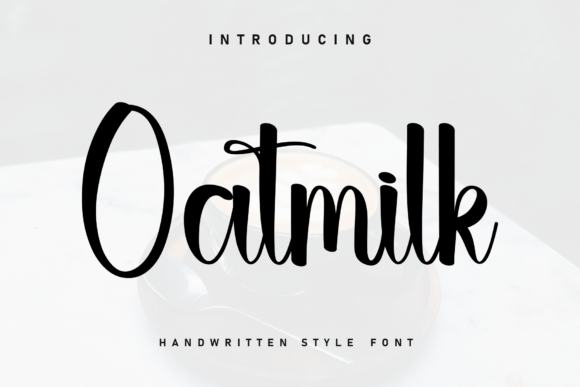
Oatmilk: The Charming Handwritten Font for Heartfelt Design
What Exactly is the Oatmilk Font?
In the vast landscape of digital typography, where sharp vector lines and rigid grids often dominate, Oatmilk offers a refreshing return to the organic. At its core, Oatmilk is a charming handwritten typeface that captures the essence of human touch. It is characterized by smooth strokes and organic lines that flow together to create a sense of heartfelt perfection. Unlike standard script fonts that can feel overly formal or aggressive, Oatmilk evokes a relaxed atmosphere. It feels personal, approachable, and undeniably warm.
Visually, the font strikes a delicate balance. It maintains the casual irregularity of real handwriting—which gives it its character—while ensuring high legibility for both print and digital media. This makes it a versatile asset for a wide range of design projects. Whether you are drafting a quick social media post or developing a comprehensive brand identity, Oatmilk provides a voice that speaks of care and authenticity.
Why Different Creators Drawn to This Aesthetic
The utility of a font like Oatmilk varies significantly depending on who is using it. For many, typography is a technical requirement; for others, it is a creative outlet. Understanding how Oatmilk fits into these different workflows helps clarify its value.
For Beginners and Hobbyists
If you are new to graphic design or simply enjoy creating personal projects, the barrier to entry is often technical complexity. Oatmilk is particularly beneficial for beginners because of its ease of use. Handwritten fonts are incredibly forgiving in layout design; they hide minor alignment issues that would be glaringly obvious with a serif font like Times New Roman. A hobbyist creating a recipe card or a scrapbook page can use Oatmilk to achieve a "finished" look instantly without needing advanced knowledge of kerning or leading.
For Small Business Owners and Entrepreneurs
For a small business owner, brand personality is everything. In a market saturated with corporate, cold aesthetics, a font like Oatmilk can be a strategic differentiator. Consider a local bakery, a vintage clothing shop, or a handmade candle business. These entities rely on the perception of being "homemade" or "artisanal." Using Oatmilk for packaging or signage signals to the consumer that the product was made with care. It prioritizes presentation and emotional connection over corporate sterility, helping to build a loyal customer base that values authenticity.
For Professional Designers and Marketers
Experienced designers often evaluate typefaces based on flexibility and reliability. While a professional might use a rigid sans-serif for body text, they need an accent font for headers, call-to-action buttons, or pull quotes. Oatmilk serves this purpose well because its "relaxed" structure does not compete aggressively with other design elements. It complements rather than clashes. Marketers, on the other hand, focus on conversion. In email marketing or social media graphics, a handwritten font can increase click-through rates by making automated communications feel like a personal note from a friend.
Practical Applications: Where Oatmilk Shines
To truly understand the value of this typeface, it helps to look at specific scenarios. The following examples illustrate how Oatmilk adapts to different priorities, such as speed, creativity, and commercial value.
Branding and Identity
When building a brand identity, consistency is key. However, consistency does not mean rigidity. A brand targeting a younger demographic (Gen Z or Millennials) often benefits from a "lo-fi" or organic aesthetic. Oatmilk provides the long-term usefulness of a recognizable logo mark that feels trendy yet timeless enough to avoid looking dated in six months. It is particularly effective for secondary logos or sub-marks where the full business name is not required, but the brand vibe must be maintained.
Invitations and Stationery
For wedding planners, event organizers, or educators planning a school event, the invitation sets the tone. A stiff, blocky font might suggest a mandatory corporate meeting. Oatmilk, with its smooth strokes, suggests a celebration or a friendly gathering. It removes the intimidation factor from formal events. For educators, specifically, using Oatmilk for worksheets or classroom decorations can create a welcoming environment that feels less like a testing center and more like a creative space.
Digital Content and Social Media
In the fast-paced world of social media, speed is often a priority. Content creators need to produce graphics quickly without sacrificing quality. Because Oatmilk is highly legible even at smaller sizes, it works well for Instagram stories, Pinterest pins, or TikTok overlays. It adds a layer of personality to a text-only post, turning a simple quote into a piece of shareable art. This is crucial for bloggers and influencers who need to maintain a specific visual aesthetic to keep their audience engaged.
Evaluating Oatmilk for Your Specific Needs
Choosing a font is a decision that impacts the quality and perception of your work. Before integrating Oatmilk into your toolkit, consider the following factors to ensure it aligns with your goals.
- Readability vs. Style: While Oatmilk is legible for a handwritten font, it is still a script. It is not suitable for long paragraphs of body text (like this article). Its strength lies in headlines and accents. If you need to convey large amounts of data or dense information, pair Oatmilk with a clean, neutral sans-serif.
- The Target Audience: Who are you trying to reach? If your audience is looking for luxury, high-tech, or aggressive modernity, Oatmilk might feel too soft. However, if your audience values wellness, sustainability, creativity, or community, the organic lines of Oatmilk will resonate deeply.
- Technical Requirements: Ensure the font file includes the licensing you need. A hobbyist might only need a desktop license for personal use, whereas a freelance designer creating a logo for a client needs to verify that the commercial license allows for such usage.
The Creative Edge: Beyond the Obvious
While the standard uses for a font like Oatmilk are clear, creative professionals can push the boundaries further. Because of its organic lines, Oatmilk pairs exceptionally well with natural textures. Think about layering the text over grainy photography, watercolor washes, or kraft paper textures. This synergy amplifies the "handmade" feel.
Furthermore, consider the psychological impact of typography. In educational materials, a friendly font can reduce anxiety in students. In marketing, it can lower the "defense" of a skeptical consumer, making them more open to your message. Oatmilk is not just a collection of vectors; it is a tool for emotional communication.
Cost vs. Value
When evaluating cost, it is important to look at the return on investment. A free font might save money upfront, but it often lacks the refinement, spacing, and kerning pairs of a premium font like Oatmilk. Poor spacing leads to amateurish designs, which can devalue a brand. Investing in a high-quality typeface is an investment in your brand's reliability and professional reputation.
Conclusion: Is Oatmilk Right for You?
Ultimately, the decision to use Oatmilk depends on the story you want to tell. If your project requires a voice that is rigid, authoritative, and strictly utilitarian, you may need to look elsewhere. However, if you are looking to inject heartfelt perfection into your work—whether it is a wedding invite, a startup logo, or a classroom poster—Oatmilk offers a solution that is both beautiful and functional. It bridges the gap between the imperfect nature of human handwriting and the precision required by professional design, offering a versatile tool for the modern creator.