Happy Easter Font: A Practical Guide to This Whimsical Handwritten Typeface
When preparing for seasonal projects, the choice of typography can significantly influence the final aesthetic. For Easter-themed designs, where a sense of warmth, celebration, and whimsy is often desired, selecting the right font is a critical first step. The Happy Easter font is a handwritten script typeface designed specifically to meet this need. It aims to capture the lighthearted and charming spirit of the holiday through its playful strokes and elegant flow. This article provides a practical evaluation of the Happy Easter font, examining its characteristics, ideal applications, and how it compares to other typographic choices for your Easter projects.
Understanding the Core Characteristics of Happy Easter
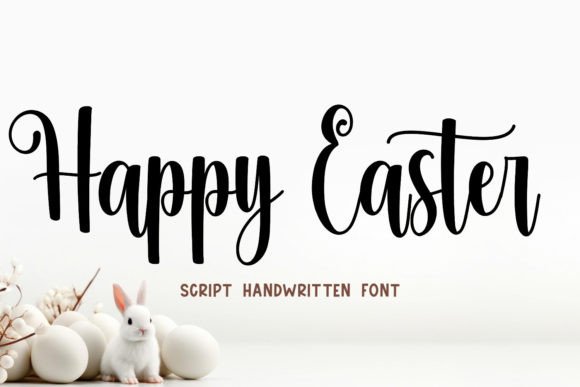
At its foundation, the Happy Easter font is a script typeface that mimics the fluidity of hand-lettering. Its design prioritizes a natural, organic feel over rigid geometric precision. Key features often include slightly irregular baselines, varied letter thicknesses to emulate the pressure of a pen or brush, and gracefully connected characters. The aesthetic is distinctly festive without being overly childish, striking a balance that can appeal to a broad adult audience. This makes it versatile for projects ranging from elegant greeting cards to more casual, playful social media graphics.
The font's personality is defined by its whimsical charm. It is not a formal calligraphic script but rather a friendly, accessible style of handwriting. This distinction is important. Formal scripts are suited for luxury or wedding themes, whereas the Happy Easter font is designed for celebration and joy. Its character set typically includes uppercase and lowercase letters, numerals, and basic punctuation, with some versions offering stylistic alternates or ligatures to enhance its handwritten quality.
Evaluating Best-Fit Situations and Use Cases
Determining if the Happy Easter font is the right tool for your project depends on the specific context and desired outcome. Its strengths are most evident in particular applications.
Ideal Applications
- Greeting Cards and Invitations: This is arguably the font's primary strength. For physical or digital Easter cards, it instantly conveys a personal, heartfelt touch that standard serif or sans-serif fonts cannot. It mimics the look of a message written by a loved one.
- Digital Design and Social Media: For Instagram posts, Facebook banners, or website headers with an Easter theme, Happy Easter can add a festive flair that grabs attention. Its script nature works well for headlines or short, impactful phrases.
- Decorative Printables: Creating printable art, banners, or place cards for an Easter brunch or egg hunt benefits from the font's cheerful aesthetic. It helps build a cohesive and festive atmosphere for the event.
- Product Packaging and Labels: For small businesses or homemade goods like Easter treats, the font can be used on labels or packaging to communicate a artisanal, homemade quality.
Situations to Reconsider
While versatile, the Happy Easter font is not a universal solution. It is essential to recognize its limitations to avoid design mismatches.
- Body Copy or Long Text: Like most decorative scripts, extended reading in Happy Easter can cause eye strain. Its charm is best reserved for headlines, titles, or short bursts of text. For paragraphs of information, pair it with a highly legible sans-serif or serif font.
- Highly Formal or Corporate Contexts: If the goal is to communicate corporate professionalism or a solemn religious observance, a whimsical script may seem inappropriate. In such cases, a clean serif font or a more restrained script might be better suited.
- Small-Scale or Low-Resolution Use: The intricate details of handwritten fonts can become lost or muddy when printed very small or displayed on low-resolution screens. Always test the font at the intended size and output quality.
Comparing Happy Easter with Other Typographic Approaches
When researching font options, it's helpful to understand how Happy Easter fits within the broader landscape of Easter-themed typography. Your choice often comes down to a spectrum between whimsy and clarity, or between decorative and functional.
Alternative Font Styles for Easter Projects
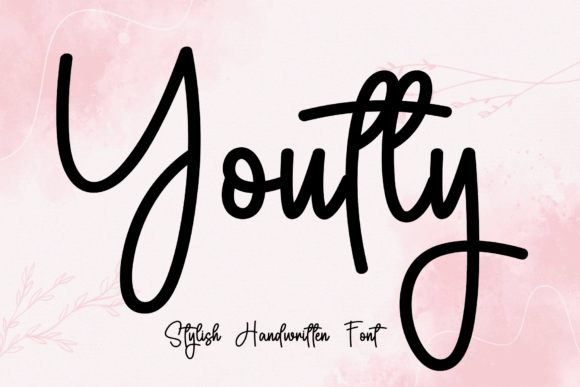
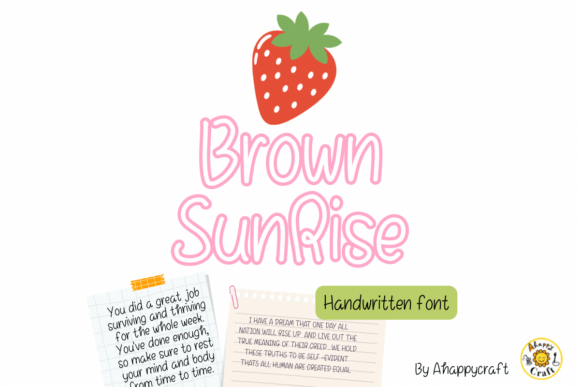
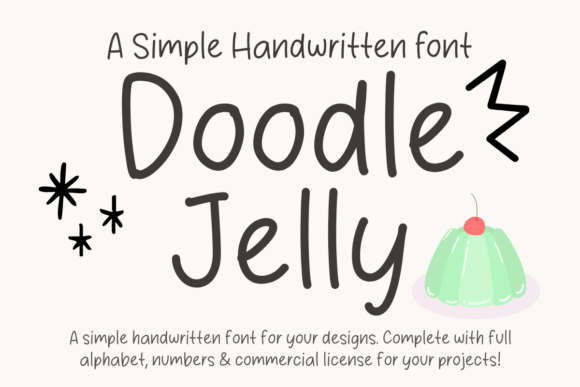
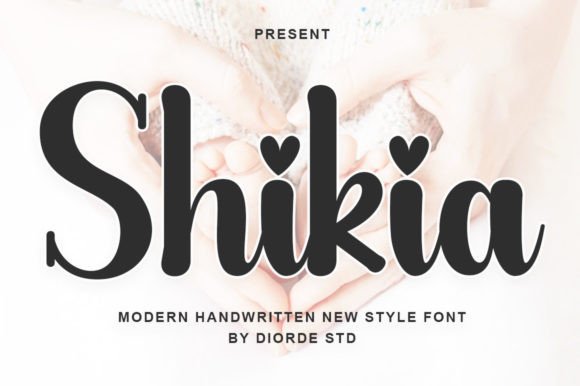
- Other Handwritten Scripts: The market is filled with script fonts, each with a different personality. Some are more casual and messy, resembling quick notes, while others are more polished and elegant. Happy Easter tends to sit in the middle—playful yet refined. When comparing, examine the flow of connections between letters and the overall rhythm of the text block.
- Display Serif and Sans-Serif Fonts: These are non-script fonts designed to be eye-catching. A bold, rounded sans-serif can feel modern and friendly, while a decorative serif with subtle floral or egg-like motifs can also evoke Easter. These are excellent alternatives when you need greater legibility at smaller sizes while maintaining a festive theme.
- Classic Serif Fonts: For a more traditional, perhaps religiously-oriented Easter message, a classic serif font like Garamond or Times New Roman conveys timelessness and solemnity. This is a completely different aesthetic, emphasizing reverence over whimsy.
- Hand-Lettering and Custom Artwork: The ultimate in uniqueness is hiring a lettering artist or creating your own hand-drawn lettering. This approach guarantees a one-of-a-kind result but requires significantly more time, skill, or budget compared to using a typeface like Happy Easter.
Practical Decision Factors for Your Project
Making an informed decision involves weighing several practical factors against your project's requirements.
1. Project Scope and Audience
Consider who will see the design and what reaction you want to evoke. A family-oriented community egg hunt poster is a perfect match for Happy Easter's friendly vibe. A formal Easter Sunday service program for a traditional congregation might benefit from a different choice. The font should align with the emotional tone of your message and the expectations of your audience.
2. Technical Requirements and Pairing
No font works in isolation. A critical part of using Happy Easter effectively is pairing it with a complementary typeface for supporting text. A good practice is to pair a decorative script with a neutral, highly legible font. For example:
- Happy Easter for the main headline ("Happy Easter!").
- A clean sans-serif like Lato or Open Sans for the event details ("Join us for the annual community egg hunt at 10 AM.").
This pairing creates visual hierarchy, ensuring the festive element is prominent while the informational content remains clear and accessible.
3. Licensing and Usage Rights
This is a crucial, often overlooked, aspect. Before finalizing any font choice, verify its license. Is it free for personal use but requires a commercial license? Does the license cover your intended use (e.g., for a product you sell, for a client project)? Always read the accompanying license file or the font foundry's terms. Using a font outside its license can lead to legal issues, a risk easily avoided with proper diligence.
Making the Final Choice: Is Happy Easter Right for You?
Ultimately, the Happy Easter font is a specialized tool designed to solve a specific design challenge: injecting a dose of cheerful, handwritten whimsy into Easter-themed projects. Its value lies in its ability to quickly and effectively set a celebratory mood.
Choose the Happy Easter font if your primary goal is to create a joyful, personal, and festive atmosphere for a clearly defined Easter project, and you have a plan to pair it with a legible font for body text. It is an excellent choice for designers and crafters who want a reliable, ready-made solution for this seasonal need.
Consider exploring other options if your project demands extreme formality, requires extensive small-print text, or targets an audience for whom whimsy might undermine the message's seriousness. In those cases, the time spent researching alternative serif fonts, display fonts, or even commissioning custom lettering would be a worthwhile investment.
By carefully evaluating your project's goals, audience, and technical context, you can determine whether the charming aesthetic of the Happy Easter font is the most effective way to bring your Easter vision to life. It stands as a strong contender in its category, offering a distinct and purposeful style for those moments when celebration is the key.