Evaluating Big Fat Gothic: A Modern Take on Blackletter for Bold Branding
In the crowded landscape of digital typography, finding a typeface that balances historical gravitas with modern utility can be a challenge. Enter Big Fat Gothic, a font that revives the Blackletter aesthetic with a contemporary, robust twist. For designers, marketers, and business owners seeking to inject personality and authority into their visual assets, this font presents a compelling option. This article provides a professional evaluation of Big Fat Gothic, examining its design characteristics, practical applications, and overall value for your creative toolkit.
Understanding the Aesthetic and Purpose
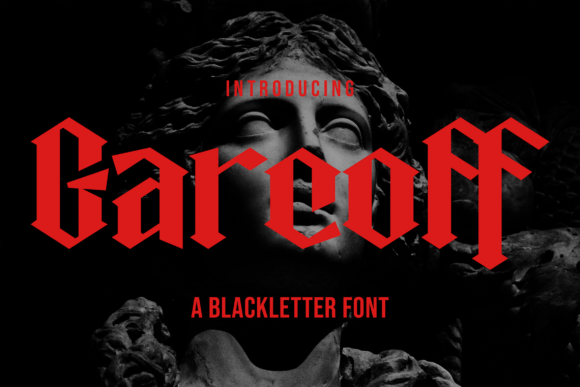
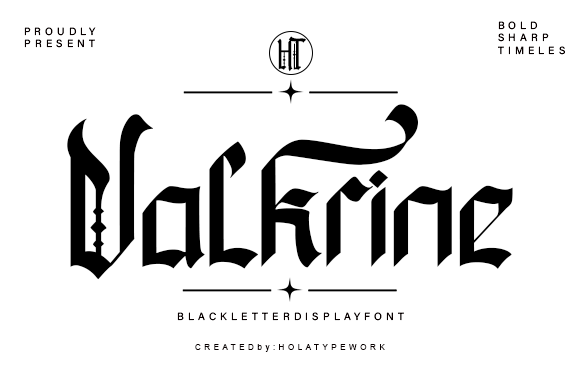
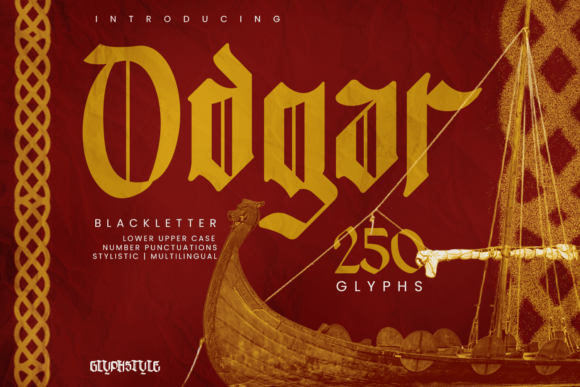
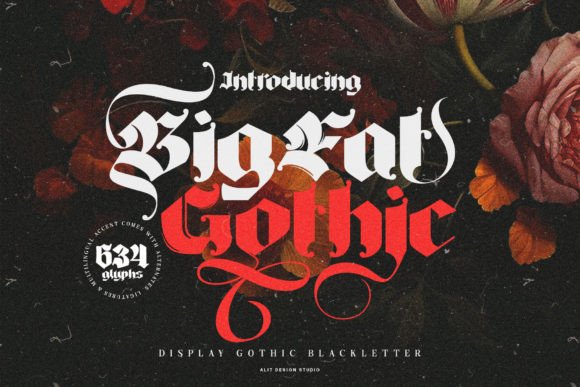
Big Fat Gothic is not a subtle typeface. It is built on the foundations of traditional Gothic script but stripped of excessive ornamentation in favor of sheer weight and presence. The defining feature is its thick, weighty strokes. Each character is designed to occupy space confidently, making it an immediate focal point. The "blackletter" influence is evident in the angular, vertical stress and the dense texture of the text blocks it creates.
However, unlike historical manuscripts that prioritized readability of long passages, Big Fat Gothic is engineered for display use. Its primary purpose is to command attention in short bursts. Think of it as a visual exclamation point. It is designed to make a statement, demanding notice through its sheer visual mass. This makes it fundamentally different from standard serif or sans-serif headlines; it carries an inherent mood of strength, tradition, and unapologetic boldness.
Key Characteristics and Typographic Features
Beyond its basic weight, the quality of a display font lies in its details. A professional evaluation of Big Fat Gothic reveals a focus on intricate detailing that elevates it above a simple blocky typeface.
- Stroke Definition: The thick strokes maintain clarity. While the font is dense, it avoids becoming muddy, a common pitfall with heavy blackletter styles. The contrast between thick and thin strokes is managed to ensure the letterforms remain recognizable.
- Customization Options: Perhaps its most significant strength is its versatility. Big Fat Gothic is packed with swashes, alternates, and ligatures. This is crucial for a font of this style. Without these features, repeated characters in a headline can look monotonous or awkward. With them, designers can customize the text to flow naturally, connecting letters in aesthetically pleasing ways or adding flourishes to initial caps.
- Sophisticated Detailing: The edges and terminals of the letters often feature subtle details that prevent the font from feeling generic. This intricacy ensures that even at large sizes—where every pixel and curve is scrutinized—the font holds up and leaves a lasting impression of quality.
Practical Applications and Real-World Performance
When integrating a font into a workflow, practical performance matters as much as aesthetics. How does Big Fat Gothic function in real-world scenarios? Based on its design profile, it excels in specific, high-impact contexts.
Branding and Identity: For businesses that want to project an image of heritage, craftsmanship, or unyielding strength, this font is a strong candidate. It works exceptionally well for craft breweries, barbershops, tattoo studios, or high-end fashion labels aiming for an edgy, vintage vibe. A logo set in Big Fat Gothic instantly communicates a specific personality.
Poster and Editorial Design: In poster design, the headline does the heavy lifting. Big Fat Gothic allows a single word or phrase to dominate the layout, providing a strong anchor for the rest of the design elements. Similarly, in magazine layouts or book covers, particularly within genres like fantasy, horror, or historical fiction, it sets the tone immediately.
Digital Presence: While web fonts need to be chosen carefully regarding load times and readability, Big Fat Gothic can be highly effective for website hero sections. Used as a massive, full-width headline, it can create a dramatic "above the fold" experience. However, it should be used sparingly; setting an entire paragraph in this font on a website would severely hamper readability.
Usability, Flexibility, and Workflow Integration
A font’s value is also measured by how easily it fits into a designer's workflow. Big Fat Gothic scores well in terms of flexibility due to its OpenType features.
The inclusion of swashes and alternatives means the font is not a "one-trick pony." Designers can toggle between different versions of a letter to avoid visual repetition or to fit the specific spatial constraints of a layout. For example, a capital 'S' might have a swash version that extends further, helping to balance a logo design. This level of control allows for fine-tuning that separates amateur work from professional design.
Furthermore, the consistency of the baseline and x-height (adjusted for the blackletter style) ensures that when you do use it, the text aligns predictably with other design elements. While it is a decorative font, it adheres to the structural grid necessary for clean composition.
Audience Fit: Who Should Consider Big Fat Gothic?
While the font has broad appeal, it is particularly well-suited for specific user groups:
- Graphic Designers and Creatives: Professionals looking to expand their library of display typefaces will find Big Fat Gothic a valuable asset for projects requiring a "heavy" or "gothic" aesthetic.
- Small Business Owners: Entrepreneurs in niche markets (e.g., artisanal goods, alternative fashion) who are developing their own branding materials can use this font to achieve a professional, thematic look without commissioning custom lettering.
- Content Creators and Streamers: For YouTube thumbnails, Twitch overlays, or podcast artwork, the font provides high legibility at small sizes (due to its weight) and distinct style that stands out in a feed.
- Publishers and Educators: While less suited for body text, it is excellent for chapter headings in specific genres or for creating engaging title cards in educational videos covering historical or cultural topics.
Honest Assessment: Strengths and Considerations
No typeface is universal. Big Fat Gothic has distinct strengths and inherent limitations that users should acknowledge.
Strengths:
- Impact: It delivers maximum visual impact with minimal effort. A single word in Big Fat Gothic carries more weight than a sentence in many other fonts.
- Character: The intricate detailing and historical roots give it a personality that modern, geometric sans-serifs lack.
- Customization: The ligatures and swashes offer significant creative control.
Considerations:
- Readability: Like all blackletter fonts, it sacrifices readability for style. It is unsuitable for body copy, legal disclaimers, or any text that requires rapid, effortless scanning.
- Context: The gothic aesthetic carries strong cultural connotations. It may not align with brands that aim for a friendly, minimalist, or corporate-neutral image.
- Spacing: Due to its density, tracking (letter spacing) often needs manual adjustment to ensure letters don't visually merge, especially at smaller sizes.
Final Verdict on Value and Utility
In conclusion, Big Fat Gothic is a specialized tool rather than a general-purpose workhorse. Its long-term value lies in its ability to solve specific design problems: how to look bold, how to look traditional, and how to grab attention instantly. For the designer or creator who understands its purpose, it is a reliable and effective asset.
If your projects frequently call for a touch of dramatic flair or a nod to classic Gothic typography, investing in a high-quality font like Big Fat Gothic is a practical decision. It offers the robustness needed for professional printing and the flexibility required for dynamic digital design. By utilizing its features thoughtfully, you can ensure your text doesn't just speak—it shouts.