The Timeless Allure of Old Victorian Vol. 2: A Font for Classic Elegance
In the vast world of typography, where modern sans-serifs and sleek minimalist fonts dominate, there exists a category of typefaces that serves as a bridge to the past. These fonts do more than just convey words; they evoke a specific time, place, and feeling. Among these historical treasures, Old Victorian Vol. 2 stands out as a remarkable example of how lettering can capture the spirit of an entire era. This font is not merely a set of characters; it is a design tool that brings the intricate elegance of the 19th century into the 21st-century creative landscape.
Understanding Victorian Typography
To fully appreciate the significance of Old Victorian Vol. 2, it is essential to understand the era from which it draws its inspiration. The Victorian era, spanning the reign of Queen Victoria from 1837 to 1901, was a period of immense cultural change, industrial advancement, and artistic experimentation. This complexity was mirrored in the typography of the time. Victorian design was characterized by ornamentation, heavy contrast, and decorative embellishments.
Unlike the clean, functional typefaces of the modern digital age, Victorian fonts were designed to impress. They were used on everything from wanted posters and product packaging to grand theater marquees and formal invitations. The goal was to capture attention through grandeur. Old Victorian Vol. 2 is a faithful homage to this philosophy. It does not shy away from detail; instead, it embraces the flourishes and serifs that defined the visual language of the 1800s.
The Anatomy of the Font
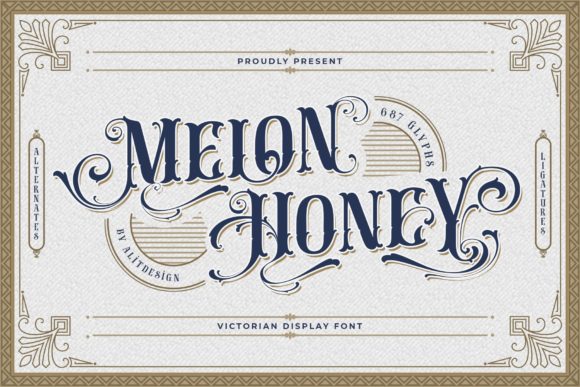
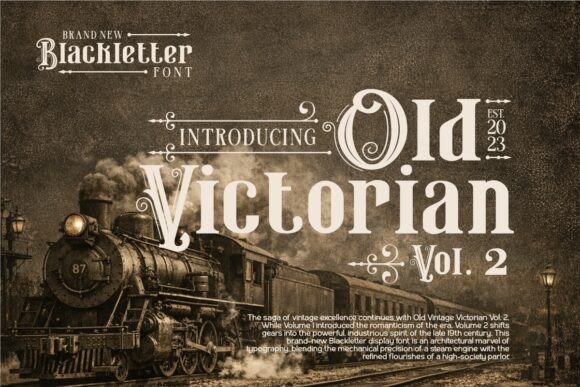
What makes Old Victorian Vol. 2 distinct is its specific set of design characteristics. When you examine the font closely, you will notice several key features that define its "Old Victorian" aesthetic:
- High Contrast Strokes: The difference between the thickest and thinnest parts of the letters is dramatic. This creates a dynamic, eye-catching rhythm that is essential for display typography.
- Elaborate Serifs: The serifs (the small strokes at the end of a main vertical or horizontal stroke) are not just functional; they are decorative. They often feature wedge shapes or subtle curves that add to the font's vintage flair.
- Ornamental Details: True to the Victorian style, this font includes intricate details within the letterforms. This might include subtle textures, inline details, or unique ligatures (connections between letters) that mimic the hand-crafted look of 19th-century printing presses.
These elements combine to create a typeface that feels authentic. It avoids the "faux vintage" look that can sometimes feel cheap or inauthentic. Instead, Old Victorian Vol. 2 offers a sophisticated take on history, making it suitable for high-end design projects.
Practical Applications: Where to Use Old Victorian Vol. 2
While historical appreciation is important, a font's true value lies in its utility. Old Victorian Vol. 2 is incredibly versatile within its niche. It is not designed for body text in a novel or a technical manual, but for display purposes where impact is paramount. Here are some of the most effective ways to utilize this font in modern design:
1. Event Invitations and Stationery
There is perhaps no better use for a Victorian font than on wedding invitations or formal event cards. If you are planning a Gatsby-themed party, a formal gala, or a vintage-style wedding, Old Victorian Vol. 2 sets the tone immediately. It tells the guest that the event will be sophisticated, classic, and elegant. It pairs beautifully with cream-colored paper and wax seals, creating a tactile experience that digital communication often lacks.
2. Branding and Logo Design
In a marketplace saturated with modern, flat design logos, a Victorian-style font can help a brand stand out. Businesses that deal in craft goods, artisanal products, breweries, or high-end barbershops often benefit from the heritage implied by this style. Using Old Victorian Vol. 2 in a logo suggests that the business values tradition, craftsmanship, and quality ingredients. It implies a "secret recipe" or a "family heritage" that customers find appealing.
3. Signage and Packaging
Walk into any hip coffee shop or craft brewery today, and you will likely see Victorian-inspired typography on the walls or bottles. Old Victorian Vol. 2 excels in this environment. It has the necessary legibility at a distance required for signage, while also possessing the intricate beauty needed for product labels. It transforms a simple bottle of ale into a collector's item or a simple menu board into a piece of art.
4. Book Covers and Editorial Design
For authors and publishers, especially in genres like historical fiction, mystery, gothic horror, or steampunk, the cover art is the first promise made to the reader. Old Victorian Vol. 2 delivers on that promise instantly. It creates an atmosphere of suspense and intrigue before the first page is even turned. It signals to the reader that they are about to enter a world of history and narrative depth.
Bridging the Gap: Old Meets New
One of the most interesting aspects of using a font like Old Victorian Vol. 2 is the juxtaposition it creates when used in modern contexts. Designers often use Victorian fonts to create a sense of irony or to blend eras. For example, using this ornate font for a tech startup or a modern app interface can create a "Neo-Victorian" or Steampunk aesthetic—a genre that imagines a future powered by steam and gears.
This flexibility proves that historical design elements are not obsolete. They are tools that can be reinterpreted. By using Old Victorian Vol. 2, a designer is not just copying the past; they are engaging in a dialogue with it. They are taking the craftsmanship of the 1800s and applying it to the digital problems of today.
Technical Considerations for Designers
When working with Old Victorian Vol. 2, there are a few technical and aesthetic tips to keep in mind to ensure the best results:
- Pairing with Other Fonts: Because Old Victorian Vol. 2 is highly decorative, it pairs best with simple, clean sans-serif fonts for body text. If you use two ornate fonts together, the design can become cluttered and difficult to read. Let the Victorian font be the star of the headlines, and use a font like Helvetica or Open Sans for the supporting text.
- Spacing and Kerning: Victorian fonts often have unique spacing requirements. Because of their flourishes, letters may need to be spaced slightly further apart to prevent them from tangling visually. Always check your kerning (the space between specific pairs of letters) to ensure readability.
- Color Palette: This font thrives in specific color palettes. Deep burgundies, forest greens, navy blues, and golds work exceptionally well. Black and white combinations also provide a high-contrast, newspaper-print feel that enhances the vintage aesthetic.
The Importance of Typography in Storytelling
Ultimately, Old Victorian Vol. 2 is a testament to the power of typography in storytelling. We often think of stories as being told through words, but the visual presentation of those words matters just as much. The font you choose is the voice of your content. A clean, modern font speaks with a clear, efficient voice. A font like Old Victorian Vol. 2 speaks with a voice that is rich, textured, and full of history.
For the modern creator, whether a graphic designer, a small business owner, or a hobbyist, this font offers a way to add depth and character to their work. It allows you to transport your audience to a different time, to invoke a sense of nostalgia, and to communicate a level of care and attention to detail that is rare in the fast-paced digital world.
Conclusion
Old Victorian Vol. 2 is more than just a collection of glyphs; it is a bridge to the elegance of the past. Its intricate details and vintage flair make it an indispensable asset for any project aiming to evoke classical sophistication. Whether you are designing a wedding invitation, branding a craft brewery, or creating a cover for a historical novel, this font provides the perfect finishing touch. It reminds us that in the world of design, history is not just something to be studied—it is something to be used, celebrated, and brought to life.