Integrating Hello Bold: A Workflow Guide for High-Impact Design Projects
In the lifecycle of any design project, typography is rarely the final stage; it is a foundational decision that influences the entire visual hierarchy and emotional resonance of the asset. Selecting the right typeface is an act of planning. It dictates how content is consumed, how brand personality is perceived, and how effectively a message cuts through the noise. For professionals working within specific niches—particularly those targeting younger demographics, educational sectors, or vibrant lifestyle markets—the choice of font must balance aesthetic appeal with technical functionality.
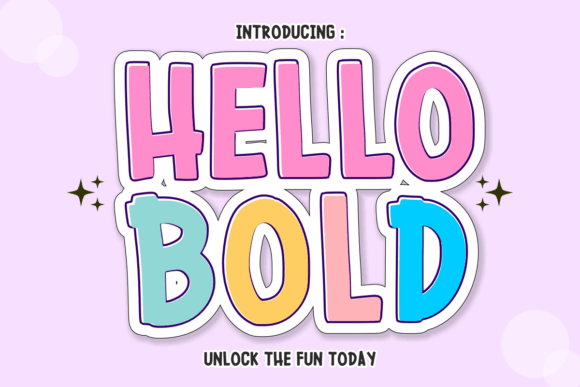
This is where Hello Bold enters the workflow. It is a thick, cheerful, and playful display font characterized by rounded edges and a slightly bouncy baseline. While its visual style mimics a friendly, hand-drawn aesthetic, its construction is deliberate and precise. It is designed to serve as a primary asset for creators who need to convey joy, approachability, and energy without sacrificing legibility. Whether you are a freelancer managing client assets, a small business owner designing merchandise, or an educator preparing classroom materials, understanding how to integrate this specific font style into your production process is key to achieving professional results.
Strategic Planning and Asset Selection
Before opening a design software environment, successful implementation begins with strategy. You must identify where a display font fits within your broader content calendar or project roadmap. Hello Bold is specifically engineered for high-impact applications rather than long-form body text. Its thick strokes and distinct personality make it ideal for headers, logos, titles, and call-to-action buttons.
When planning a campaign for a product launch or an educational event, consider the "voice" of the project. If the goal is to communicate authority and strict professionalism, this font may not be the appropriate choice. However, if the objective involves engaging children, promoting a celebration, or creating a welcoming atmosphere, the font becomes a strategic asset. Planning involves grouping your projects into categories where this playful typography will enhance, rather than distract from, the user experience.
Workflow Integration and Compatibility
A font does not exist in a vacuum; it interacts with other tools, resources, and people. The utility of Hello Bold lies in its adaptability across various production environments. For the modern creator, workflow efficiency depends on assets that perform consistently across different mediums.
- Digital Design: In web design and social media management, the font serves as a bold anchor for headlines. It pairs well with clean, sans-serif body fonts, creating a necessary contrast that guides the reader's eye.
- Physical Production: For crafters and apparel designers, technical specifications matter. Hello Bold is crafted with easy cutting in mind. The rounded edges and distinct letter spacing reduce the complexity of weeding vinyl or cutting cardstock, directly impacting production speed and reducing material waste.
- Collaboration: When working in teams or handing off files to clients, a font with high legibility reduces revision cycles. The "bouncy" baseline adds personality without making the text difficult to decipher, ensuring that the message is understood immediately by stakeholders of all ages.
Practical Implementation and Design Execution
Once the asset is selected and the workflow is established, the focus shifts to execution. Integrating Hello Bold effectively requires an understanding of visual hierarchy and spacing. Because the font features a thick weight, it commands significant visual real estate. Overusing it can lead to a cluttered layout.
Tips for Visual Hierarchy
Use this display font to establish the primary focal point of your design. For example, in a birthday invitation layout, the event title should utilize Hello Bold to immediately set the mood. Supporting details—such as the date, time, and location—should be set in a complementary, lighter weight font. This contrast ensures that the most critical information is absorbed first, optimizing the communication flow.
Color and Texture Pairing
The personality of the font interacts heavily with color theory. To maximize its potential:
- Vibrant Palettes: Pair the font with saturated colors to amplify the energetic, youthful vibe. This is particularly effective for marketing materials targeting Gen Z or parents of young children.
- Monochromatic Schemes: Using a single bold color for the text against a clean white or neutral background can create a modern, trendy look often seen in minimalist kids' apparel branding.
- Texture Overlays: Because of its thick strokes, the font holds up well against texture overlays, such as grain or foil effects, which can add a tactile quality to digital designs.
Operational Efficiency and Quality Control
For entrepreneurs and small business owners, time is a finite resource. The tools chosen for a design workflow must contribute to efficiency. Hello Bold aids in this by serving as a "plug-and-play" solution for projects that require immediate visual impact. Its design ensures that it looks polished out-of-the-box, reducing the time spent on kerning adjustments or custom modifications that thinner, more temperamental fonts might require.
Quality control involves testing the font across different platforms. A design that looks perfect in Adobe Illustrator must also render clearly on a mobile screen or a printed t-shirt. The high legibility of Hello Bold ensures consistency across these touchpoints. When preparing files for print, specifically for processes like screen printing or embroidery, the robust nature of the font minimizes the risk of detail loss, ensuring that the final product matches the digital proof.
Long-Term Use and Brand Consistency
Building a recognizable brand or a consistent classroom environment relies on repetition and familiarity. By incorporating Hello Bold into your standard toolkit, you create a recognizable visual language. For educators, using this font consistently on classroom rules, name tags, and wall art helps create a cohesive and inviting learning environment. For businesses, using it across packaging, social media headers, and promotional flyers builds brand equity over time.
Ultimately, the integration of a font like Hello Bold is about more than just aesthetics; it is about solving communication problems with style. It bridges the gap between professional design requirements and the need for human, approachable interaction. By understanding its technical strengths and strategic applications, you can effectively unlock the fun in your projects while maintaining a streamlined, professional workflow. It stands out not just as a design element, but as a functional tool for engaging your audience.