Slime: Integrating a Street Art Aesthetic into Professional Design Workflows
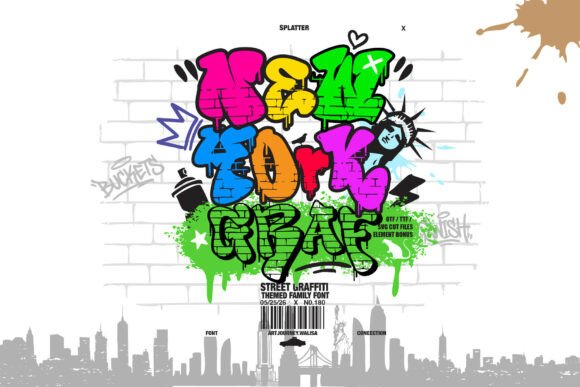
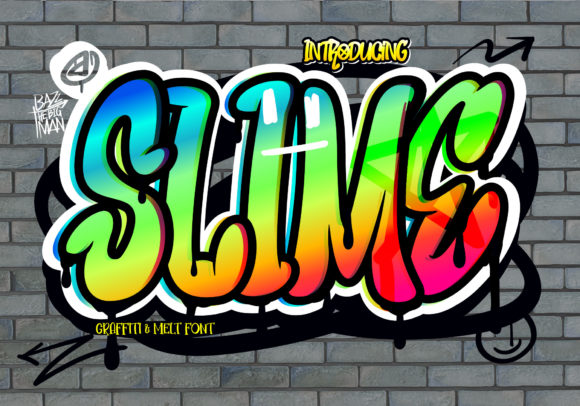
In the landscape of digital design, typography is rarely just about legibility; it is a primary vehicle for tone and context. When a project calls for energy, urban authenticity, or a rebellious edge, standard sans-serifs often fall short. This is where Slime, a cool, graffiti-styled display font, enters the creative process. Slime is not merely a collection of letters; it is a stylistic asset designed to inject a distinct street art vibe into visual communications. For professionals ranging from apparel designers to marketing strategists, understanding how to effectively implement a high-impact display typeface like Slime is a critical step in ensuring a project resonates with its intended audience.
The Role of Display Typography in Project Planning
When initiating a creative project, the selection of assets should align with the final output's environment. Slime fits into the early conceptualization phase of a workflow where the "voice" of the brand or product is being defined. It is specifically engineered for high-visibility applications. This makes it a practical choice for designs such as t-shirts, sportswear, logos, and advertisements. However, its utility is not random; it requires strategic placement. A designer must consider the hierarchy of information. Slime excels as a headline or focal point but is rarely suited for body copy. Therefore, in the planning stage, a creator should identify which specific elements of a design require maximum impact and reserve Slime for those moments.
Defining the Use Case: From Concept to Canvas
Before downloading or installing the font, a practical workflow involves defining the deliverable. Because Slime carries a heavy cultural association with street art and urban culture, it interacts differently with various mediums.
- Apparel and Merchandise: For t-shirts and hoodies, Slime acts as the hero element. The workflow here involves pairing the font with high-contrast backgrounds. Since graffiti fonts often feature irregular edges or "drip" effects, the implementation requires checking how the ink sits on fabric. In a DTG (Direct to Garment) printing workflow, fine details in the font must be preserved, so vectorizing the text early in the process is a necessary quality control step.
- Logo Design: When used for logos, Slime provides an instant identity shift for brands in the skateboarding, music, or extreme sports sectors. However, a logo must be versatile. During the design phase, it is crucial to test Slime at various scales. A graffiti-styled font might look distinct on a billboard but can lose clarity on a business card. The workflow must include creating simplified versions of the logo for small-scale applications.
- Digital Advertising: In the fast-paced environment of digital ads, capturing attention within the first second is vital. Slime’s aesthetic cuts through the noise of generic corporate fonts. When implementing Slime in social media assets or banner ads, the focus should be on color psychology. The font pairs well with neon palettes or stark monochromes to enhance that street art vibe.
Integration and Compatibility in Design Software
A practical implementation of Slime involves technical compatibility. Most modern design workflows rely on vector-based software like Adobe Illustrator or Affinity Designer. When integrating Slime into these environments, the process begins with understanding the font's metrics. Graffiti fonts often have tight kerning (spacing between letters) to mimic the dense packing of spray paint.
Therefore, a key step in the execution phase is manual kerning adjustment. While the font file may come with default settings, professional outcomes often require tweaking the spacing to ensure the text flows organically, especially for logos. Furthermore, because Slime is a display font, it interacts best with simple, clean companion fonts. A common workflow error is pairing a complex graffiti font with another decorative font. Instead, pairing Slime with a clean sans-serif or a monospaced font for supporting text creates a balanced visual hierarchy that guides the viewer’s eye without causing visual clutter.
Color Theory and Texture Application
The "slime" aesthetic suggests texture, fluidity, and three-dimensionality. To maximize the potential of this font, designers should consider how color and texture are applied post-placement.
Simply typing out the word in a flat color often underutilizes the font's potential. A more effective workflow involves applying gradients or texture overlays. For instance, in a Photoshop environment, applying a clipping mask to the text layer allows a designer to fill the letters with concrete textures, chrome effects, or vibrant gradients. This enhances the street art vibe and makes the typography feel integrated into the design rather than pasted on top of it.
However, this requires a balance between creativity and legibility. A practical tip is to always step back and view the design at the intended size. If the texture obscures the letterforms, the message is lost. Quality control here involves ensuring that the "cool" factor does not compromise the communication of the message, whether that message is a brand name, a call to action, or a slogan.
The Apparel Production Pipeline
Consider a scenario where a small business owner is launching a streetwear line. The process begins with mood boarding, where Slime is identified as the primary typeface. The next step is vectorization. The owner types out the slogans in Illustrator using Slime. To ensure the font works for screen printing, they use the "Create Outlines" function to convert the text into editable vector shapes. This allows for the removal of any overlapping paths that might cause issues with the cutting plotter or screen exposure. The final step involves separating the color layers for print, ensuring the "drips" or stylistic elements of the Slime font are preserved without breaking the stencil.
Event Promotion and Marketing
For a marketing team promoting an underground music event or a pop-up shop, the timeline is short, and the need for attention is high. The workflow involves using Slime for the headline text on flyers and Instagram stories. The implementation is rapid: type the event name in Slime, apply a high-contrast color scheme (like lime green on black to mimic the "slime" theme), and rasterize the layer to apply a "warp" distortion. This gives the static text a sense of movement, fitting the energetic vibe of the event. The key here is consistency; using the same distortion and color treatment across all marketing materials creates a cohesive campaign identity.
Long-Term Usability and Brand Consistency
While trends come and go, the utility of a strong display font like Slime lies in its ability to define a specific sub-genre of design. For long-term use, it is important to establish a style guide. If Slime is chosen as the primary font for a brand or a series of projects, the style guide should dictate exactly how it is used: specific colors, minimum sizes, and approved background textures.
Without these guidelines, the font can become overused or misapplied, leading to a disjointed brand image. For example, using a graffiti font for a serious legal disclaimer would be a mismatch of tone. Therefore, the font should be categorized in an asset library as "Display/High Energy" and used only when the project requirements match that energy.
Conclusion: The Strategic Value of Style
Ultimately, Slime is more than just a typeface; it is a tool for setting a scene. By integrating it thoughtfully into a design workflow—starting from the conceptualization phase, moving through technical implementation in vector software, and finishing with texture and color application—creators can leverage its street art vibe to produce compelling, professional-grade work. Whether for sportswear, logos, or advertising, the font serves as a bridge between raw urban culture and polished commercial design, provided the user respects the technical and aesthetic boundaries of the medium.