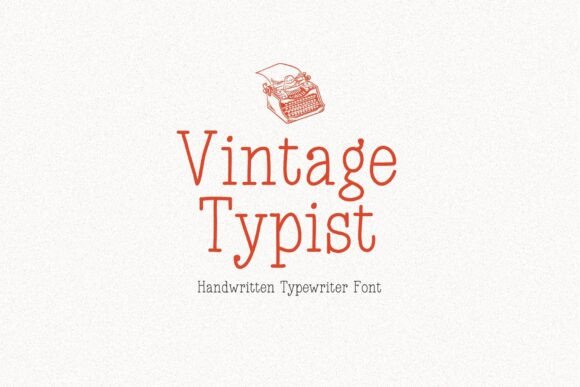
Step Back in Time with Vintage Typist Font
In an era dominated by the pristine, sterile perfection of vector graphics and sans-serif minimalism, there is a growing hunger for designs that feel human. We crave texture, history, and a tangible connection to the past. This is precisely where the Vintage Typist font steps in. It is more than just a collection of glyphs; it is a meticulously crafted digital artifact designed to emulate the tactile experience of a well-loved mechanical typewriter. For designers, marketers, and hobbyists alike, this font offers a bridge between the efficiency of modern digital tools and the irreplaceable warmth of analog aesthetics.
The Authenticity of Imperfection
The core strength of Vintage Typist lies in its refusal to be perfect. Standard digital fonts are mathematically aligned, with every curve and line identical across thousands of instances. Real typewriters, however, were mechanical beasts subject to the laws of physics. The hammers would wear down, the ribbons would fade, and the keys would strike the paper with varying degrees of force. Vintage Typist captures this nuance with remarkable fidelity.
When you look closely at the characters, you will notice the subtle grit and uneven ink distribution that defined mid-century correspondence. The letters do not sit in a sterile grid; they have a "wobble" and a texture that suggests they were actually punched onto cardstock. This attention to detail creates an immediate sense of authenticity. It tells the viewer that the design was crafted with care, evoking the nostalgia of a time when communication required physical effort. This organic quality prevents the text from looking like a generic filter applied in post-production, instead giving it a distinct, handcrafted personality.
Practical Applications for Modern Creators
While the aesthetic is retro, the utility of Vintage Typist is thoroughly modern. Its versatility allows it to shine across a wide spectrum of projects. Understanding where and how to deploy this font is key to maximizing its impact.
Branding and Commercial Identity
For businesses, first impressions are visual. If your brand identity relies on values such as heritage, craftsmanship, durability, or artisanal quality, Vintage Typist can be a cornerstone of your visual language. It works exceptionally well for:
- Craft Breweries and Distilleries: The font pairs perfectly with label designs that emphasize traditional brewing methods and recipe history.
- Barbershops and Tailors: It reinforces a sense of classic style and personalized service that modern, sleek fonts often lack.
- Independent Bookstores and Publishers: Using Vintage Typist for logos or window decals connects immediately to the literary history of the printed word.
However, readability is paramount in commercial applications. While Vintage Typist is legible, its textured nature means it is best suited for headlines, logos, and short bursts of text rather than long-form body copy in small print sizes.
Editorial and Web Design
In the realm of web design, contrast is a powerful tool. Pairing a clean, modern sans-serif font with Vintage Typist for headers can create a striking visual hierarchy. This approach works beautifully for blogs focusing on travel, history, or lifestyle content. It adds a layer of storytelling to the layout, suggesting that the content has depth and character. For editorial layouts, such as magazine spreads or digital newsletters, the font can be used for pull quotes or section dividers to break up the monotony of standard text blocks.
Stationery and Personal Projects
The resurgence of "snail mail" and bullet journaling has brought handwritten and typewritten styles back into the spotlight. Vintage Typist is an invaluable asset for DIY enthusiasts. Imagine creating custom wedding invitations with a rustic or steampunk theme; the font instantly sets the tone, promising a celebration that values tradition and romance. It is equally effective for creating personalized greeting cards, scrapbook elements, or even mock-up legal documents for prop design or scrapbooking.
Technical Considerations and Usability
From a practical standpoint, Vintage Typist is designed for seamless integration into professional workflows. It is typically delivered in standard formats (such as OTF or TTF), ensuring compatibility with major design software like Adobe Creative Suite, Affinity Designer, and Canva.
When implementing the font, consider the background texture. The typewriter effect is most convincing when the text interacts with a textured surface, such as recycled paper, linen, or a subtle noise overlay. If placed on a stark white digital background, the font's imperfections might look accidental rather than intentional. Adjusting the tracking (letter spacing) can also help improve readability, as typewriter fonts sometimes benefit from a little extra breathing room between characters.
One of the significant benefits of using a dedicated font like Vintage Typist over a generic "distressed" font is the consistency of the grain. It allows you to maintain the illusion of an old machine without sacrificing the scalability of a vector file. Whether you are printing a billboard or a business card, the texture remains crisp and intentional.
Conclusion: A Tool for Storytelling
Ultimately, choosing Vintage Typist is a decision to prioritize emotion and narrative in your design work. It is not merely about making text look "old"; it is about invoking a specific feeling of nostalgia, reliability, and warmth. In a digital landscape that can often feel cold and ephemeral, this font offers a way to ground your designs in something that feels substantial and timeless. Whether you are a freelancer looking to expand your typographic toolkit or a business owner aiming to humanize your brand, Vintage Typist provides the perfect blend of historical charm and modern utility.