Understanding the Y2k Doodle Aesthetic for Modern Design Projects
The resurgence of early 2000s nostalgia has moved beyond fashion and music into the realm of digital design and typography. For creators, marketers, and small business owners looking to tap into this specific era, the visual language of "Y2k" offers a distinct blend of playful innocence and retro-futurism. Central to this revival is the concept of the Y2k Doodle style—a whimsical, hand-drawn aesthetic that characterized everything from school supplies to website graphics at the turn of the millennium. However, successfully integrating this style into professional work requires more than just a passing familiarity with the trend; it demands high-quality assets that are versatile across various platforms. This article examines the practical value of utilizing Y2k Doodle font families and graphic assets, specifically looking at how they function in professional environments like Procreate, Affinity, and standard print workflows.
The Anatomy of the Y2k Doodle Style
To effectively use Y2k Doodle assets, one must first understand the visual language they represent. This aesthetic is not merely "retro"; it is characterized by specific design choices that evoke a sense of nostalgia for the digital age's infancy. The style typically features soft, rounded edges, "bubbly" letterforms, and a distinct lack of sharp corners. It often incorporates elements of "kawaii" culture, simple line art, and bright, sometimes clashing, color palettes.
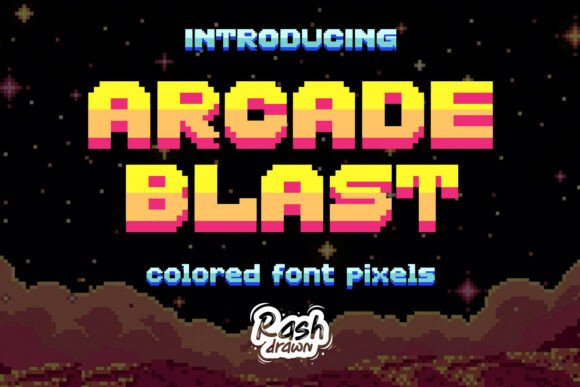
In the context of typography, a Y2k Doodle font mimics the look of text written with a gel pen on a notebook margin or the rounded UI text found on early mobile devices and operating systems. The defining characteristic is imperfection. Unlike the rigid geometry of modern sans-serifs, these fonts embrace a hand-drawn irregularity that adds warmth and personality. For designers, this means the font does the heavy lifting of setting a specific mood immediately. It signals to the viewer that the content is approachable, informal, and perhaps a bit cheeky.
Technical Versatility: File Formats and Software Compatibility
When evaluating creative assets, their technical utility is just as important as their visual appeal. A common pitfall for designers is purchasing a font or graphic pack that looks great in the preview but fails to integrate into their existing workflow. The standard for professional typography remains the OpenType (Otf) and TrueType (Ttf) formats. These formats ensure that the Y2k Doodle fonts can be installed system-wide, making them accessible in word processors, web design platforms, and operating system interfaces.
For digital illustrators, the inclusion of ProcreateFont compatibility is a significant advantage. iPad-based workflows have become standard for many freelancers, and a font that renders cleanly in Procreate allows for the seamless creation of digital stickers, planners, and social media graphics directly on a tablet. Similarly, the availability of assets optimized for the Affinity suite—specifically Affinity Designer Font and Affinity Photo Font usage—is crucial. Serif’s Affinity suite has become a preferred alternative to subscription-based software for many professionals. A high-quality Y2k Doodle font package should function flawlessly within these vector and raster environments, allowing for non-destructive editing and scalable typography.
The Role of Dingbats, Outlines, and Coloring Assets
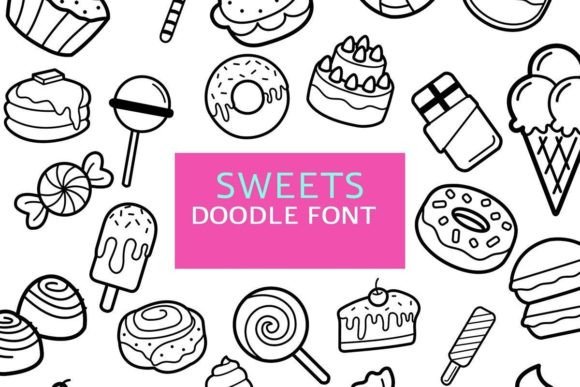
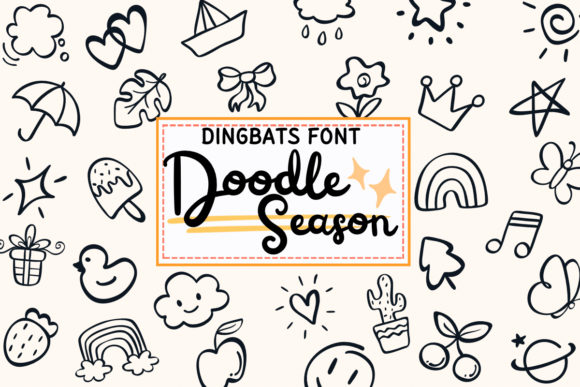
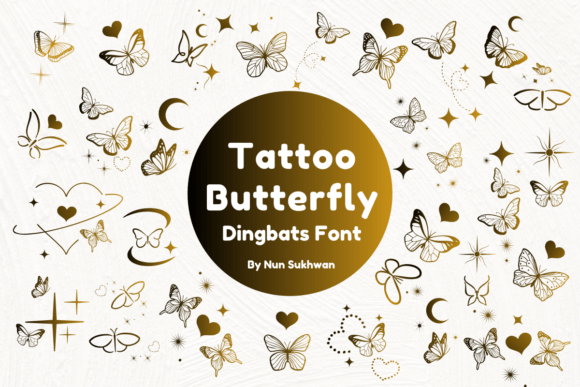
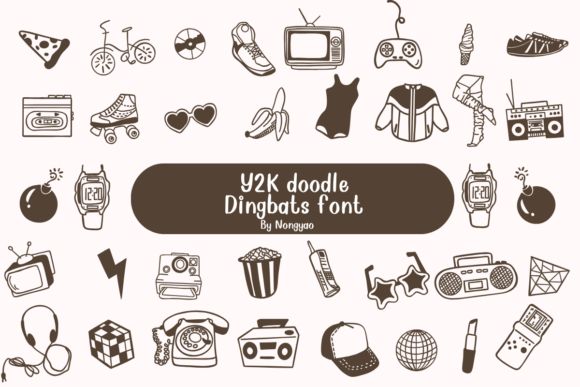
A robust Y2k design system usually extends beyond standard alphanumeric characters. High-value asset packs often include Dingbats and Doodle graphics. Dingbats are essentially fonts where typing a letter results in a graphic rather than a text character. In the context of Y2k design, these might be stars, hearts, planets, flowers, or smiley faces drawn in that characteristic early-2000s line style.
Furthermore, the inclusion of Coloring Outline versions of these graphics adds a layer of practical flexibility. For educators and content creators, an outline version allows for customization. For example, a teacher creating a worksheet can use a coloring outline of a Doodle Cartoon character and fill it with specific colors to match a lesson plan or brand guide. This separation of line and fill is essential for creating depth in design work, allowing the creator to manipulate the "weight" of the illustration without losing the integrity of the original doodle style.
Practical Application for Professionals and Entrepreneurs
How does a Y2k Doodle font perform in real-world professional scenarios? Its utility varies depending on the industry, but it generally excels in areas requiring high engagement and a relaxed tone.
- Marketing and Social Media: For brands targeting Millennials or Gen Z, the Y2k aesthetic is immediately recognizable. It can be used in Instagram Stories, TikTok overlays, and email headers to create a sense of fun and trend-awareness.
- Product Packaging: Small businesses selling artisanal goods, cosmetics, or stationery often benefit from this aesthetic. It conveys a "handmade" or "indie" vibe, even if the product is mass-produced.
- Publishing and Editorial: While not suitable for body text due to legibility constraints at small sizes, these fonts work exceptionally well for pull quotes, chapter titles, or magazine headlines aimed at a younger demographic.
- Internal Corporate Culture: Interestingly, even larger organizations use this style for internal newsletters, "culture decks," or HR onboarding materials to soften the corporate tone and make the content feel more digestible.
Evaluating Quality and Long-Term Value
When selecting a Y2k Doodle package, consistency is key. A common issue with lower-quality font packs is the lack of kerning (the spacing between letters). If the letters collide awkwardly or float too far apart, the design looks amateurish. High-quality assets will have been manually kerned to ensure smooth flow.
Additionally, consider the "long-term value" of the asset. Trends come and go, but the underlying elements of the Y2k style—roundness, friendliness, and simplicity—are enduring. A well-designed set of Doodle Cartoon dingbats can be used year-round for various themes, not just retro projects. For instance, the "star" or "heart" dingbats from a Y2k set can function as simple bullet points or decorative accents in modern minimalist designs, provided the colors are adjusted.
However, there are limitations. These fonts are rarely suitable for professional business correspondence, legal documents, or UX/UI body copy where clarity is paramount. They are decorative tools meant for display purposes. Overusing them can make a brand look juvenile rather than nostalgic. The most effective use is usually as an accent—a headline paired with a clean, modern sans-serif body text.
Conclusion: Is the Y2k Doodle Asset Right for You?
For the creative professional, the decision to invest in a Y2k Doodle font and graphic pack comes down to audience alignment. If your work targets demographics that appreciate irony, nostalgia, or playful aesthetics, these assets are invaluable. The technical compatibility with modern tools like Affinity Photo, Affinity Designer, and Procreate ensures that they fit into professional workflows without friction.
Ultimately, the strength of the Y2k Doodle style lies in its ability to inject personality into a project instantly. By combining versatile Otf/Ttf fonts with customizable Coloring Outlines and expressive Dingbats, creators can build a cohesive visual identity that feels both retro and relevant. As with any design trend, moderation and context are essential, but for the right project, the Y2k Doodle aesthetic offers a reliable way to connect with an audience on a human, and slightly nostalgic, level.