Doodle Jelly: A Strategic Guide to Using This Handwritten Font for Better Brand Results
The Deliberate Choice Behind a Playful Aesthetic
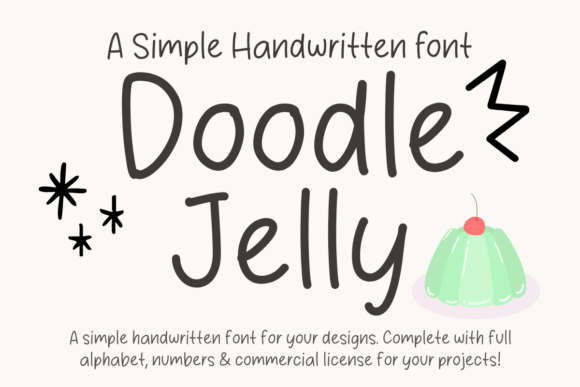
In a digital landscape often saturated with sharp edges and rigid geometric sans-serifs, the decision to implement a typeface like Doodle Jelly is rarely accidental. It is a calculated move designed to disrupt the visual monotony of modern design. At its core, Doodle Jelly is a tall, monoline handwritten font that manages to strike a delicate balance between the precision of professional typography and the charming imperfection of human touch. It does not scream for attention; rather, it invites the viewer in with friendly curves and clean legibility. For the entrepreneur, educator, or content creator, understanding the mechanics of this font is the first step toward leveraging its potential. It is not merely a decorative element; it is a communication tool that signals approachability, warmth, and an organic sensibility. When you select Doodle Jelly, you are making a conscious decision to soften your brand’s voice, making it more relatable to a demographic that values authenticity over corporate sterility.
Analyzing the Visual Architecture of Doodle Jelly
To make an informed decision about typography, one must look beyond the surface. Doodle Jelly is characterized by its "monoline" quality, meaning the stroke width remains consistent throughout the letterform. This is a crucial technical feature. Unlike calligraphic fonts that vary in pressure and thickness—which can sometimes feel formal or dated—the consistent line weight of Doodle Jelly feels modern, clean, and accessible. Its tall x-height ensures that even at smaller sizes, the text remains legible, solving a common problem associated with handwritten scripts. For the marketer or designer, this architectural stability means you can use Doodle Jelly for more than just headers. It functions effectively in short bursts of body copy, captions, or UI elements where you need to inject personality without sacrificing readability. The font’s "jelly-like" bounce in its baseline adds a subtle rhythm to the text, creating a sense of movement that guides the eye naturally across the page.
Strategic Positioning and Brand Perception
Every font carries a psychological weight. Serifs often imply tradition and authority; stark sans-serifs suggest efficiency and modernity. Doodle Jelly, however, occupies a specific niche: it suggests that there is a human behind the screen. For a small business owner or freelancer, this is a strategic asset. Using Doodle Jelly in your branding materials—be it a logo, website header, or social media graphics—can instantly lower the barrier to entry with potential customers. It signals that your brand is accessible, friendly, and perhaps less formal than the big-box competitors. However, this must be aligned with your business goals. If you are positioning yourself as a luxury, high-end service provider with a focus on exclusivity, the whimsical nature of Doodle Jelly might contradict your value proposition. The decision to use it should stem from a desire to appear approachable and joyful, not just "cute."
Practical Applications: Where Doodle Jelly Shines
The versatility of Doodle Jelly allows it to adapt to various creative environments, provided it is used with intent. For educators and course creators, this font is particularly effective. Learning environments benefit from a tone that is encouraging and low-pressure. Using Doodle Jelly in presentation slides, worksheets, or educational app interfaces can make the content feel less intimidating and more like a collaborative journey. It breaks down the "academic" stiffness that often disengages learners.
For bloggers and content creators, Doodle Jelly serves as a powerful tool for visual hierarchy. Imagine a long-form blog post set in a standard serif font. By utilizing Doodle Jelly for pull quotes, sub-headers, or the "Featured Image" text overlay, you create visual "rest stops" for the reader. These moments of whimsy break up the text and maintain engagement. Furthermore, in the realm of packaging design—particularly for artisanal goods, organic products, or lifestyle brands—this font communicates an immediate sense of craftsmanship and care. It suggests that the product inside was made with human hands and attention to detail.
Decision-Making: When to Restrain the Whimsy
While the charm of Doodle Jelly is undeniable, strategic design requires knowing when not to use it. One of the most common mistakes in typography is prioritizing personality over clarity. You should avoid using Doodle Jelly for large blocks of body copy or critical legal information. The "handwritten" nature, no matter how legible, causes eye fatigue when read in long paragraphs. It is designed for impact and emotion, not for data processing.
Additionally, consider the context of your data presentation. If you are a financial advisor or a B2B consultant presenting quarterly results, introducing Doodle Jelly into your charts or main reports might undermine the seriousness of the data. In such cases, it is better to reserve it for internal team communications or informal networking events where a lighter touch is appropriate. The goal is to use Doodle Jelly to enhance the user experience, not to confuse the hierarchy of information. If the font distracts from the call to action or the core message, it is being used ineffectively.
Integrating Doodle Jelly into Your Workflow
Adopting a new font like Doodle Jelly requires a shift in your creative workflow. It is not a "set it and forget it" asset. To get the most out of it, you need to pair it strategically. Because Doodle Jelly has a strong personality, it pairs best with neutral, clean sans-serifs (like Open Sans, Lato, or Roboto) for body text. This contrast allows the headers set in Doodle Jelly to pop without overwhelming the design. If you pair it with another decorative font, the result will likely be visual chaos.
Planning for Long-Term Brand Cohesion
When you decide to incorporate Doodle Jelly into your brand kit, think about longevity. Trends in typography come and go, but the need for "human connection" in digital spaces is enduring. Because Doodle Jelly is rooted in the organic shape of handwriting rather than a fleeting tech trend, it has a longer shelf life than many novelty fonts. However, you must ensure that the use of the font scales with your business. Can it be used on a billboard? Can it be embroidered on merchandise? The monoline nature of Doodle Jelly generally translates well across mediums, but testing it on different substrates is a necessary step in the planning phase.
Achieving Better Results Through Tonal Consistency
Ultimately, the use of Doodle Jelly is about tonal alignment. If your brand voice is friendly, supportive, creative, and approachable, this font acts as a visual amplifier for those values. It helps create an emotional resonance with your audience that a standard corporate font cannot achieve. For the entrepreneur looking to build a community, or the educator looking to build trust, Doodle Jelly offers a way to "humanize" the digital experience. It reminds your audience that there is a person, not just an algorithm, on the other end of the transaction.
By treating Doodle Jelly as a strategic asset rather than just a decoration, you can improve engagement, clarify your brand positioning, and create a more memorable user experience. It is a tool for connection. Use it where you want to foster warmth, and step back where you need cold, hard efficiency. That balance is the hallmark of a thoughtful designer and a successful brand strategy. The "cozy, heartwarming" vibe of Doodle Jelly is powerful, but only when wielded with purpose.