Melon Honey Font: A Detailed Evaluation for Designers
In the vast landscape of digital typography, blackletter fonts occupy a unique space, evoking history, formality, and a distinct aesthetic edge. Melon Honey is a specific entry in this category, described as a distinct and highly detailed blackletter font. For designers, artists, and creators, choosing a typeface is a critical decision that impacts the tone and readability of a project. This article provides a practical evaluation of the Melon Honey font, exploring its features, ideal use cases, and important considerations to help you determine if it aligns with your creative goals.
Understanding the Melon Honey Typeface
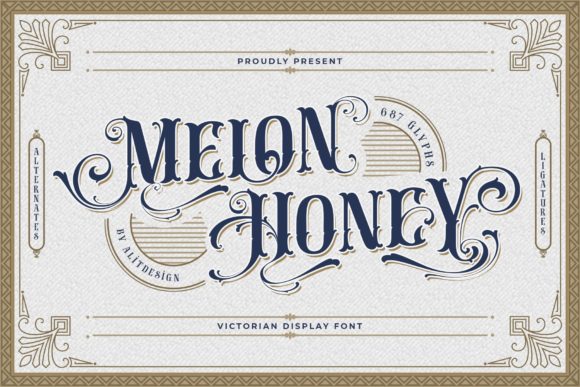
At its core, Melon Honey is a blackletter font. This style, also known as Gothic script, is characterized by its ornate, angular, and often dense letterforms. Historically rooted in manuscript writing, blackletter fonts convey a sense of tradition, gravity, and sometimes, a medieval or tattoo-inspired vibe. Melon Honey distinguishes itself within this genre by being described as "highly detailed." This suggests its letterforms feature intricate strokes, sharp edges, and complex shapes that require careful rendering at appropriate sizes.
A key technical feature of the Melon Honey font is its PUA encoding. PUA stands for Private Use Area, a section of the Unicode standard that allows font designers to include special characters, swashes, ligatures, and alternates that are not part of the standard keyboard layout. For users, this means access to a rich library of decorative glyphs beyond the basic alphabet. Accessing these extras typically requires using a character map application or design software with glyph panels, but it significantly expands the font's creative potential.
Reasons for Interest in a Font Like Melon Honey
Interest in a detailed blackletter font like Melon Honey stems from specific design needs. Its intricate nature makes it a candidate for projects where typography is a central visual element, not just a vessel for text. Designers might seek it out for:
- Branding and Logo Design: For brands aiming for a powerful, vintage, or alternative identity, Melon Honey can create a memorable logotype. Think craft breweries, barbershops, tattoo studios, or clothing brands with an edgy aesthetic.
- Headlines and Titles: Its high level of detail commands attention, making it suitable for magazine headlines, poster titles, or event flyers where a strong visual impact is required.
- Specialized Projects: The font's style naturally aligns with themes like fantasy, heavy metal music, historical fiction, or Halloween-related designs. It can add an authentic atmospheric touch to invitations, book covers, or game interfaces.
The PUA encoding is a significant point of interest. It offers creative flexibility, allowing designers to customize letterforms with swashes or find the perfect alternate character to make a word or logo feel unique. This capability transforms the font from a static set of letters into a dynamic design toolkit.
Benefits, Tradeoffs, and Practical Considerations
Evaluating Melon Honey requires weighing its strengths against its inherent limitations as a display typeface.
Benefits and Strengths
The primary benefit is its visual distinctiveness. A well-crafted blackletter font like Melon Honey is not commonly seen in everyday design, which allows projects using it to stand out. The detail in its design can add a layer of craftsmanship and sophistication when used appropriately. Furthermore, the availability of swashes and alternates via PUA encoding provides a high degree of customization, enabling fine-tuning that can elevate a design from good to exceptional.
Tradeoffs and Limitations
The most critical tradeoff is readability. Blackletter fonts are notoriously difficult to read in long passages of text. Their complex forms can blur together, creating a "wall of text" effect that hinders comprehension. Therefore, Melon Honey is unsuitable for body copy, articles, or any context where easy, sustained reading is necessary. Its use should be confined to short, impactful phrases like headlines, logos, or single words.
Another consideration is contextual appropriateness. The strong stylistic voice of a blackletter font does not fit every brand or message. Using it for a children's educational website or a corporate financial report would likely create a jarring and inappropriate tone. It is a stylistic commitment that must align with the project's overall narrative.
Key Considerations for Use
Before implementing Melon Honey, consider the following practical points:
- Rendering and Size: Highly detailed fonts can lose clarity at small sizes or on low-resolution screens. They are best used at larger point sizes where their intricate details can be appreciated.
- Color and Contrast: Due to their dense strokes, blackletter fonts often work best in high-contrast situations (e.g., white text on a dark background) and may struggle with light colors on light backgrounds.
- Pairing with Other Fonts: Melon Honey will need a complementary font for any supporting text. A clean, simple sans-serif (like Helvetica or Open Sans) or a readable serif (like Garamond) often provides a necessary contrast, ensuring the overall design remains legible and balanced.
Ideal Scenarios for Melon Honey
Melon Honey is a strong fit for projects that prioritize aesthetic impact over readability for body text. Consider it when your goal is to:
- Create a Powerful Logo: For a brand name that needs to convey strength, tradition, or an alternative edge.
- Design an Eye-Catching Poster or Flyer: For a concert, festival, or event where the title needs to be a visual centerpiece.
- Develop Themed Graphics: For social media graphics, album art, or merchandise (e.g., t-shirts, hats) related to specific genres or themes.
- Enhance a Website Header: As a one-time, large-scale title on a landing page to establish a strong first impression, immediately followed by a more readable font for navigation and content.
When to Consider Alternatives
While Melon Honey has its place, there are many situations where an alternative font would be more effective. Look for other options if:
- Readability is Paramount: For body text, user interfaces, or any long-form content, choose a highly legible sans-serif or serif font designed for screen or print reading.
- The Project Requires a Modern or Minimalist Aesthetic: Blackletter fonts are inherently ornate and historical. For a sleek, contemporary look, a geometric sans-serif or a clean serif would be more suitable.
- You Need Versatility: Melon Honey is a specialist. If you need a single font family that can handle everything from headlines to captions to body text, you should explore comprehensive font families with multiple weights and styles.
- A Softer or More Approachable Tone is Needed: The angular nature of blackletter can feel severe. For brands or projects aiming for friendliness, warmth, or casualness, rounded sans-serifs or humanist fonts are better choices.
Making Your Decision
Ultimately, the decision to use the Melon Honey font hinges on a clear understanding of your project's goals. Ask yourself these questions:
Is the primary purpose of this text to be read and understood, or to be seen and admired? If the latter, Melon Honey's detailed aesthetic could be a perfect match. Does the font's historical and ornate style align with the brand's identity and the project's message? If yes, its distinctive character can be a powerful asset. Finally, do you have the technical means and design context to use it properly—at a large size, with high contrast, and paired with a readable companion font?
If you can confidently answer "yes" to these questions, Melon Honey may be the distinctive blackletter font that adds the necessary depth and impact to your creative work. Its detailed design and extended glyph set offer a tool for specific, high-impact applications where standard fonts might fall short. By carefully evaluating its strengths and limitations against your specific needs, you can make an informed choice that enhances your final design.