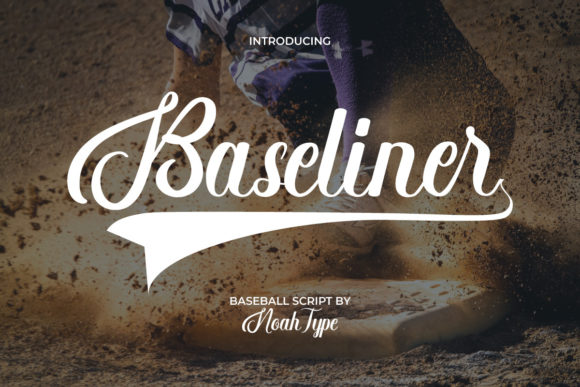
Strategic Application: Integrating the Baseliner Font into Your Design Workflow
In the crowded landscape of digital marketing and visual design, the tools you choose are rarely neutral. Every typeface, color palette, and layout decision acts as a signal to your audience, communicating values, energy, and professionalism before a single word is read. For entrepreneurs, marketers, and creators aged 20 to 50, the challenge is not merely finding a font that looks "nice," but finding one that serves a specific strategic purpose. This is where the Baseliner font enters the conversation. Inspired by the grit and dynamism of the baseball world, Baseliner is a carefully crafted script font designed to mimic natural handwriting. While it offers a distinct sporty aesthetic, its true value lies in understanding when and how to deploy it to drive engagement, brand recognition, and long-term results.
The Strategic Value of Script Typography
Before integrating a tool like Baseliner into a project, it is essential to understand the psychology behind script fonts. Unlike rigid serif or sans-serif typefaces, scripts convey a sense of human touch, urgency, and personality. They break the "corporate wall," making a brand feel more accessible and authentic. However, this comes with a risk: if used incorrectly, script fonts can appear amateurish or difficult to read.
Baseliner addresses this by balancing artistic flair with legibility. It is designed to look like real handwriting rather than a digital approximation, which helps in building trust. For a small business owner or a freelancer, using a font like Baseliner can signal that there is a human behind the screen. It suggests that the creator is approachable, creative, and willing to step outside of standard templates. This psychological trigger is vital for brands that rely on personal connection, such as lifestyle coaches, boutique shop owners, or content creators.
Identifying the Right Context for Baseliner
One of the most common mistakes in design is applying a font universally without considering the context. Baseliner is a high-energy font with a sporty script style. It is not intended for long-form body copy, legal disclaimers, or dense academic text. Its strategic utility lies in high-impact moments where you need to capture attention quickly and convey a specific vibe.
Effective Use Cases
To leverage Baseliner effectively, consider its application in the following areas where its strengths are maximized:
- Logo Design and Logotypes: For businesses that want to project an image of agility, passion, or craftsmanship, Baseliner offers a strong foundation. It works exceptionally well for sports brands, fitness apparel, outdoor adventure companies, or artisanal food products. The natural flow of the letters suggests movement and energy.
- Packaging and Product Labels: On a physical shelf, differentiation is key. A product using Baseliner can stand out against competitors using standard block text. It is particularly effective for "limited edition" releases or special flavors, where the handwriting style implies a personal touch or a special batch.
- Social Media and Headlines: In the fast-scrolling environment of Instagram or TikTok, you have milliseconds to stop a thumb. Baseliner’s bold, sporty aesthetic is perfect for overlaying text on video thumbnails or creating striking headlines that demand attention. It pairs well with clean sans-serif backgrounds to create a modern contrast.
- Screen Printing and Signage: The font is designed with physical production in mind. Its lines are clear enough to translate well onto merchandise like t-shirts, caps, and storefront signage. This is crucial for entrepreneurs who need their branding to be versatile across both digital and physical assets.
Planning Your Design with Baseliner
Adopting a new typeface requires more than just installation; it requires planning. If you decide to use Baseliner, you must build a visual hierarchy that supports it. Because it is a display font, it needs a supporting cast. A common strategic error is pairing a script font with another decorative font, which creates visual chaos.
Instead, approach Baseliner as the "accent" of your design. Pair it with a neutral, geometric sans-serif font for your body text. This contrast ensures that the Baseliner headlines pop without sacrificing readability for the rest of your content. Consider the "voice" of your brand. If your brand voice is authoritative and serious, Baseliner might only be used sparingly for call-to-action buttons or specific campaign slogans. If your brand is playful, energetic, and casual, it can be used more liberally in headers and sub-headers.
Decision-Making Guidance for Implementation
Before finalizing a design project using Baseliner, run through a quick strategic checklist to ensure alignment with your goals:
- Audience Alignment: Does your target demographic respond to informal, energetic communication? While a younger demographic (20–35) often appreciates the authenticity of handwritten styles, ensure it aligns with the specific industry. A law firm might find it too casual, whereas a craft brewery would find it perfect.
- Readability at Scale: Test the font at the size it will be viewed. Baseliner is designed for impact, but always verify that it remains legible on mobile devices, which is where most of your audience will likely encounter it first.
- Brand Consistency: Can you commit to this style? Once you establish a visual identity with a distinct font like Baseliner, it becomes part of your brand equity. Changing it frequently can confuse your audience.
Avoiding Common Pitfalls
The most significant risk in using a distinctive font like Baseliner is overuse. When everything is emphasized, nothing is emphasized. If you use a sporty script for your headers, sub-headers, call-outs, and footers, the design becomes exhausting to look at. It creates a "loud" environment that lacks white space and breathing room.
Furthermore, be mindful of the "trend" factor. While Baseliner is rooted in the timeless aesthetic of baseball, graphic design trends shift. To ensure longevity, use the font to support your core message rather than relying on it to be the message. The content of your copy—the value you provide to the customer—must always take precedence over the stylistic presentation.
Long-Term Brand Building
For freelancers and small business owners, building a recognizable brand is a long-term game. Baseliner can be a powerful tool in this journey if used consistently. By applying it to specific touchpoints—such as your email headers, your social media watermark, or your product packaging—you create a cohesive ecosystem. Over time, your audience will begin to associate the sporty, hand-drawn aesthetic of Baseliner with your specific brand personality.
This consistency aids in memory retention. When a customer sees the font, they immediately recall the feelings associated with your brand. This is the essence of strategic design: using visual tools not just for decoration, but for building a lasting relationship with your market. Whether you are designing for a sports team, a fashion line, or a digital service, the thoughtful integration of a font like Baseliner can bridge the gap between a generic business and a memorable brand experience.
Conclusion: Intentional Creativity
Ultimately, the decision to use Baseliner should be an intentional one. It is a tool for creators who want to inject personality, energy, and a human touch into their work. By understanding its strengths in logos, packaging, and headlines—and by respecting its limitations in body copy—you can use it to drive better engagement and clearer communication. Do not use it randomly; use it to tell a story of passion, activity, and authenticity. When aligned with a clear strategy, Baseliner becomes more than just a font; it becomes a signature of your brand’s unique voice.