Evaluating Emiset Calligraphy: A Practical Guide to Its Style and Application
Understanding the Core Aesthetic of Emiset Calligraphy
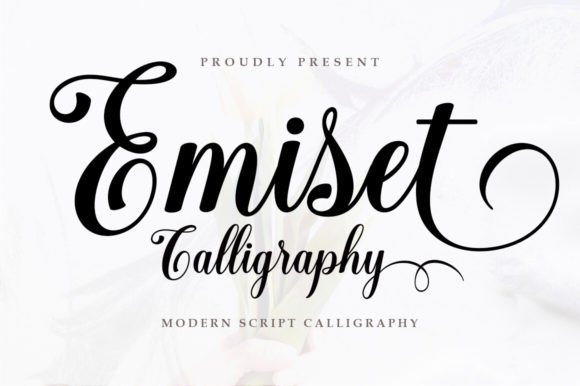
When selecting a typeface for a project that requires a personal touch, the specific character of the script matters as much as its legibility. Emiset Calligraphy is a handwritten font designed to bridge the gap between raw, organic imperfection and polished elegance. Unlike rigid, standardized script fonts that can feel robotic or overly stylized, Emiset relies on a natural flow that mimics the pressure and release of a physical brush or pen.
The distinctiveness of this typeface lies in its irregularities. It is not merely a collection of letters; it is a rhythm. The connections between letters are fluid rather than mechanical, creating a sense of movement across the page. For designers and content creators, this aesthetic is crucial when the goal is to evoke emotion rather than just convey information. It possesses a warmth that sterile, sans-serif fonts cannot replicate, making it a strong candidate for projects aiming for an "authentic" or "artisanal" vibe.
Analyzing the Visual Characteristics: Strengths and Nuances
To properly evaluate Emiset Calligraphy, one must look beyond the surface level of "handwriting." The font distinguishes itself through specific technical and artistic choices that influence its usability.
Legibility vs. Artistic Flair
A common tradeoff in script fonts is that increased artistic flair often results in decreased readability. Emiset manages this balance with relative success. While it features swashes and loops characteristic of traditional calligraphy, the letterforms generally maintain enough structure to be deciphered in short-to-medium lengths of text. However, it is not designed for long-form body copy. The eye fatigue associated with reading decorative scripts for extended periods makes Emiset better suited for headlines, logos, and pull quotes.
Visual Weight and Density
The stroke weight in Emiset varies naturally, simulating the effect of ink on paper. This gives the font a high visual weight, meaning it commands attention. It stands out well against clean backgrounds but can become visually "noisy" if placed over busy photography or complex patterns. When using this font, the surrounding design elements often need to be simplified to allow the typography to breathe.
Comparing Emiset to Other Script Categories
When researching fonts, it is helpful to categorize them to understand where Emiset fits in the broader landscape of design resources. It is useful to compare Emiset Calligraphy against other common approaches to script typography.
- Formal Calligraphy Scripts: Traditional calligraphy fonts often mimic Copperplate or Spencerian scripts. They are characterized by extreme contrast between thick and thin strokes and a very upright posture. Emiset is generally more relaxed and less rigid than these formal options, making it feel more modern and less "wedding invitation."
- Brush Scripts: These fonts simulate the texture of a paintbrush. While Emiset shares the fluidity of brush scripts, it often retains a finer, pen-like quality. If a project requires the look of ink rather than paint, Emiset is the superior choice.
- Signage Scripts: These are often monoline (consistent stroke width) and geometric. Emiset offers more texture and personality than signage scripts, which can sometimes feel generic or corporate.
For users comparing options, the decision often comes down to the "temperature" of the design. Formal scripts are "cool" and reserved; brush scripts are "warm" and bold; Emiset Calligraphy sits comfortably in the "warm and intimate" category.
Practical Use Cases: Where Emiset Excels
Determining the right fit for a font involves matching its strengths to the specific requirements of a project. Based on its structural design, there are several scenarios where Emiset is an optimal resource.
Branding and Identity
For small businesses, particularly those in the lifestyle, beauty, or artisanal food sectors, branding needs to feel human. Using Emiset Calligraphy for a logo or wordmark can instantly communicate that a product is handmade or curated with care. It suggests a level of personal involvement that standard geometric fonts (like Helvetica or Arial) strip away.
Digital Invitations and Social Media
In the digital space, attention spans are short. Emiset works exceptionally well for Instagram graphics, Pinterest pins, and digital invitations. Its high-contrast, elegant style draws the eye immediately to the central message, such as an event name or a call to action. It translates well to screen resolution, maintaining its charm without pixelation issues common in lower-quality font files.
Stationery and Print Design
On physical products, texture is king. Emiset performs admirably on stationery, greeting cards, and packaging. It pairs well with matte finishes and textured paper stocks, as the "handwritten" nature of the font complements the tactile feel of the medium.
Limitations and Tradeoffs to Consider
No single resource is perfect for every situation. A balanced evaluation of Emiset Calligraphy requires acknowledging its limitations so users can avoid common design pitfalls.
The Context Trap
One of the risks of using a highly decorative font like Emiset is context mismatch. If used for a corporate financial report or a legal document, it would appear unprofessional and inappropriate. It lacks the neutrality required for serious, data-driven communication. Readers may subconsciously perceive the content as less authoritative if the font is too casual.
Over-Design and Trend Dependency
Calligraphy fonts are subject to design trends. While Emiset is currently well-aligned with the "organic" and "boho" aesthetic trends, these styles evolve. A design built heavily around a specific script font may feel dated faster than one built on timeless serif or sans-serif foundations. It is advisable to use Emiset as an accent rather than the structural backbone of a design system to ensure longevity.
Technical Considerations
High-quality script fonts can sometimes be heavy files, though this is less of an issue with modern web fonts. However, because Emiset features complex curves and swashes, it requires careful kerning (spacing) adjustments. Without manual adjustment, the letters may overlap awkwardly in certain combinations, requiring the user to have a working knowledge of design software to polish the final output.
Making the Decision: Is Emiset the Right Choice?
Choosing a typeface is ultimately about alignment between the tool and the message. When evaluating whether to use Emiset Calligraphy, consider the following decision factors:
- The Audience: Is your audience looking for warmth and personality, or authority and structure? Emiset appeals to the former.
- The Medium: Is the design primarily for display (headers, logos) or function (body text)? Emiset is a display font.
- The Brand Voice: Does the brand speak like a friend or an institution? Emiset speaks like a friend.
If the project requires a sterile, objective, or highly technical look, alternatives such as a clean sans-serif or a structured serif font would be more appropriate. However, if the goal is to create an emotional connection, to add a layer of sophistication without stiffness, or to mimic the beauty of hand lettering, Emiset Calligraphy is a robust and versatile option. It transforms standard digital text into something that feels crafted, making it a valuable asset in a designer's toolkit for the right context.