Shikia Font: An Objective Guide to Its Style and Practical Uses
In the vast landscape of digital typography, handwritten fonts occupy a unique space, offering a personal touch that more structured typefaces cannot replicate. Shikia is one such font, designed to bridge the gap between casual friendliness and elegant calligraphy. For designers, content creators, and individuals working on personal projects, evaluating a font like Shikia involves looking beyond its initial aesthetic appeal. It requires an understanding of its technical capabilities, its suitability for various applications, and how it compares to other options in the same category.
Understanding Shikia's Design and Aesthetic
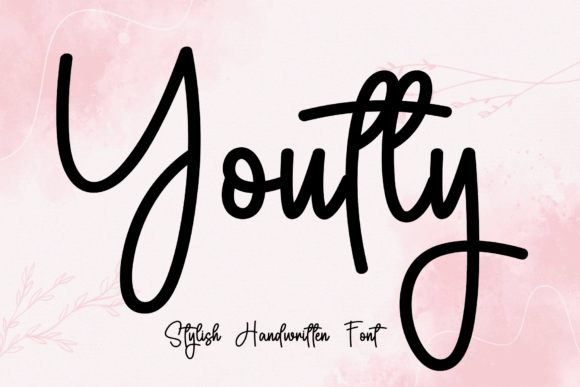
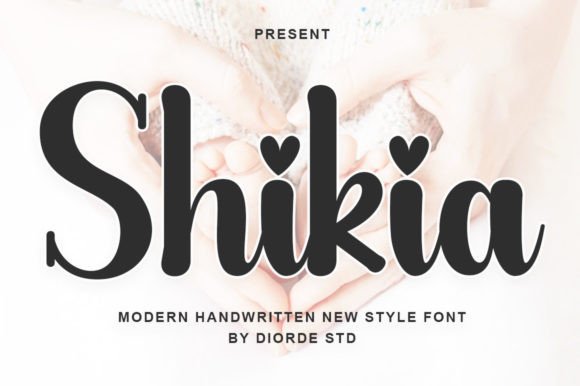
Shikia is characterized as a cute and casual handwritten font. Its core design philosophy centers on creating a friendly and approachable feel. The letterforms mimic natural handwriting, with smooth curves and a flowing rhythm that avoids the rigidity of standard serif or sans-serif fonts. This inherent softness makes it particularly effective for projects aiming to convey warmth and authenticity.
However, Shikia also incorporates elements of elegance. This duality is a key part of its appeal. It does not lean so far into casualness that it appears messy, nor does it adopt such formal calligraphic strokes that it feels distant. This balance allows it to function across a surprisingly broad range of design contexts, from informal social media graphics to more refined stationery.
Key Applications and Where Shikia Excels
When considering a font for a project, its effectiveness is often judged by its performance in specific, real-world scenarios. Shikia demonstrates strength in several common design applications.
- Social Media and Digital Content: For platforms like Instagram, where visual personality is paramount, Shikia can be a strong candidate. Its friendly style can enhance quotes, story text, or promotional graphics, helping content stand out with a human touch. It is often used for headers or short, impactful text blocks rather than long paragraphs, where readability at small sizes can become a consideration.
- Event Stationery: The font's blend of charm and elegance makes it a natural fit for wedding invitations, thank you cards, and greeting cards. It can evoke a sense of bespoke craftsmanship, suggesting that a design was personally created rather than mass-produced.
- Branding Elements: For logos, business cards, or brand collateral targeting a lifestyle, artisanal, or boutique audience, Shikia can contribute to a cohesive and inviting brand identity. It works well for brand names, taglines, or other short-form text where establishing a specific tone is crucial.
- DIY and Craft Projects: The font's aesthetic aligns well with physical craft projects, such as custom signage, scrapbooking, or printed quotes for framing. Its handwritten quality adds a layer of authenticity to tangible items.
Evaluating Benefits and Practical Considerations
A thorough evaluation of any design asset involves weighing its advantages against potential limitations. Here are some practical points to consider with Shikia.
Benefits and Strengths
The primary benefit of Shikia is its versatile aesthetic. It successfully merges two often separate styles—casual and elegant—into a single, cohesive typeface. This can reduce the need for multiple fonts in a single project, simplifying the design process.
Another significant practical advantage is its PUA (Private Use Areas) encoding. This technical feature means that all decorative glyphs, alternate characters, and swashes are accessible directly through standard character maps in most design software. This eliminates the need for advanced OpenType feature support, making the font more user-friendly for a wider audience, including those using simpler programs or even basic word processors for certain tasks.
Tradeoffs and Limitations
As with any specialized font, Shikia is not a universal solution. Its handwritten style, while charming, can impact readability at very small sizes or in large blocks of text. It is generally best used for headlines, short phrases, or display text. For body copy, a more neutral sans-serif or serif font is typically a more practical choice.
Furthermore, its specific aesthetic may not align with every project's goals. A design calling for a stark, modern, or highly corporate feel would likely require a different typographic approach. The very quality that makes Shikia appealing—its distinct personality—also defines its boundaries.
Is Shikia the Right Choice for Your Project?
Determining whether Shikia aligns with your goals requires a clear assessment of your project's needs. Ask yourself these questions:
- What is the primary emotion or tone I need to convey? If the answer involves friendliness, warmth, approachability, or casual elegance, Shikia is a strong candidate. If you need neutrality, authority, or high-tech modernism, look elsewhere.
- How will the text be used? If it is for short, impactful display text, Shikia is well-suited. If you need a font for lengthy articles, detailed instructions, or user interfaces, its readability limitations make it a poor choice.
- Who is my audience? Consider the context in which your audience will view the design. A font like Shikia resonates more effectively in consumer-facing, lifestyle, or creative contexts than in formal or technical ones.
- What is the technical environment? Its PUA encoding is a major plus for accessibility, but always test the font in your specific design software to ensure all characters and swashes function as expected.
Considering Alternatives
The market for handwritten fonts is extensive. If Shikia doesn't feel like a perfect match, exploring alternatives is a prudent step. Fonts in this category vary widely in their baseline slant, stroke weight, and degree of formality. Some may have a more pronounced brush script feel, while others might be simpler and more minimalist.
When comparing alternatives, evaluate them against the same criteria: tone, readability, technical features, and suitability for your intended application. A font with a slightly cleaner, more uniform style might offer better readability for longer text, while a more ornate script could be better for formal invitations.
Conclusion: Making an Informed Decision
Shikia presents a compelling option within the handwritten font category. Its strength lies in its carefully balanced design that is both casual and elegant, supported by user-friendly technical features like PUA encoding. It is not a one-size-fits-all solution, but rather a specialized tool. Its ideal use cases are specific: social media graphics, event stationery, branding for certain niches, and DIY projects. By objectively evaluating your project's tone, audience, and functional requirements against Shikia's characteristics, you can make an informed decision about whether it is the right typographic choice to bring your creative vision to life.